By: Asia Clean Energy Partners and the Southeast Asia Corporate Decarbonization Exchange (CDx)

Indonesia, Viet Nam, and the Philippines are central to Southeast Asia’s industrial decarbonization story. Over the past year, seven groups of organizations across these countries tested a simple idea: peers facing similar barriers can progress faster together than alone.
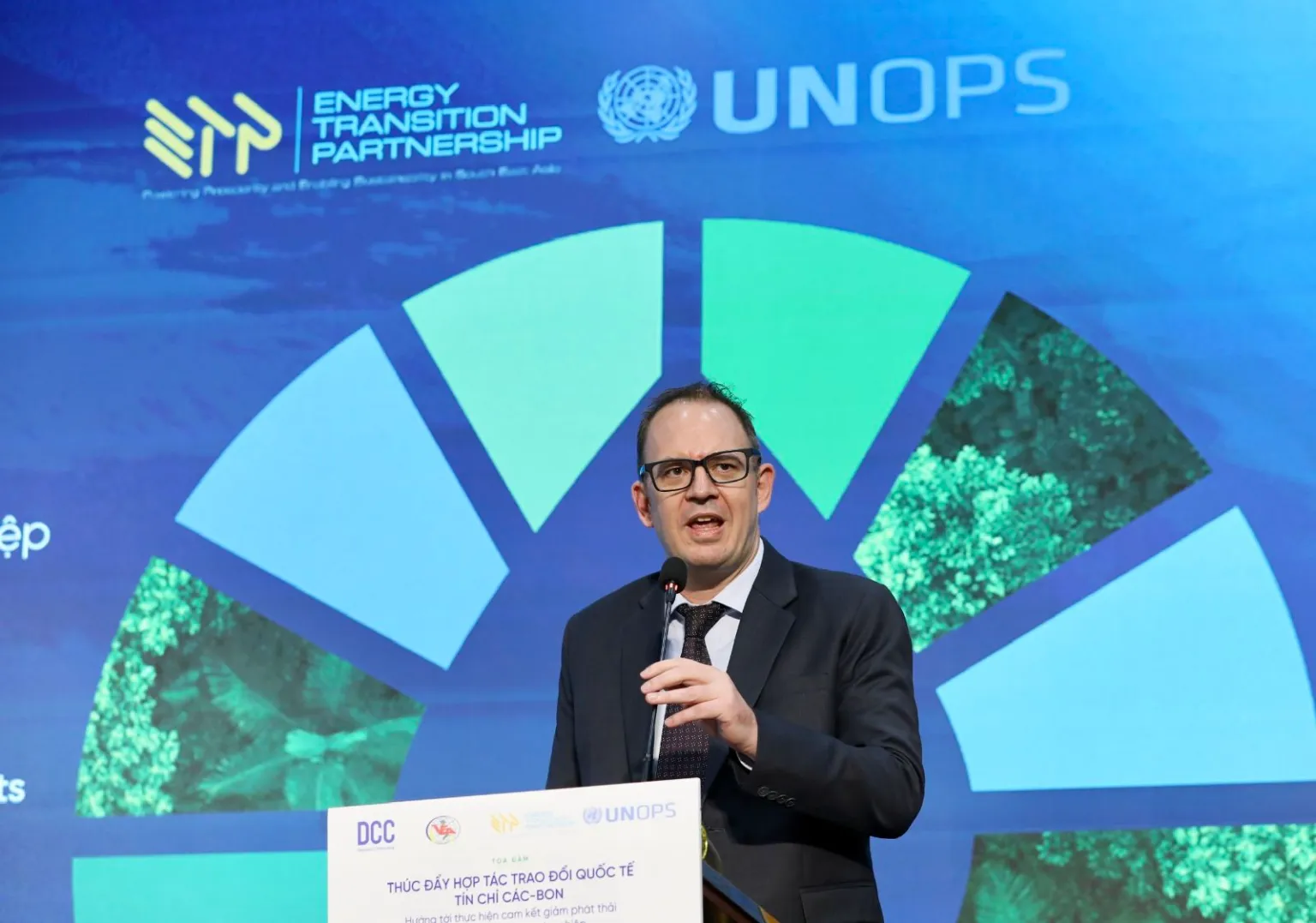
The Twinning Arrangements for Decarbonization in Southeast Asia project, developed by the Southeast Asia Energy Transition Partnership (ETP), a program of the United Nations Office for Project Services (UNOPS), paired manufacturers, local governments, and real estate developers across sectors and borders into twinning clusters, structured peer groupings working through shared decarbonization challenges together, from a Regional Matchmaking Forum through to an Investment Dialogue with financiers.
A Year of Structured Peer Exchange
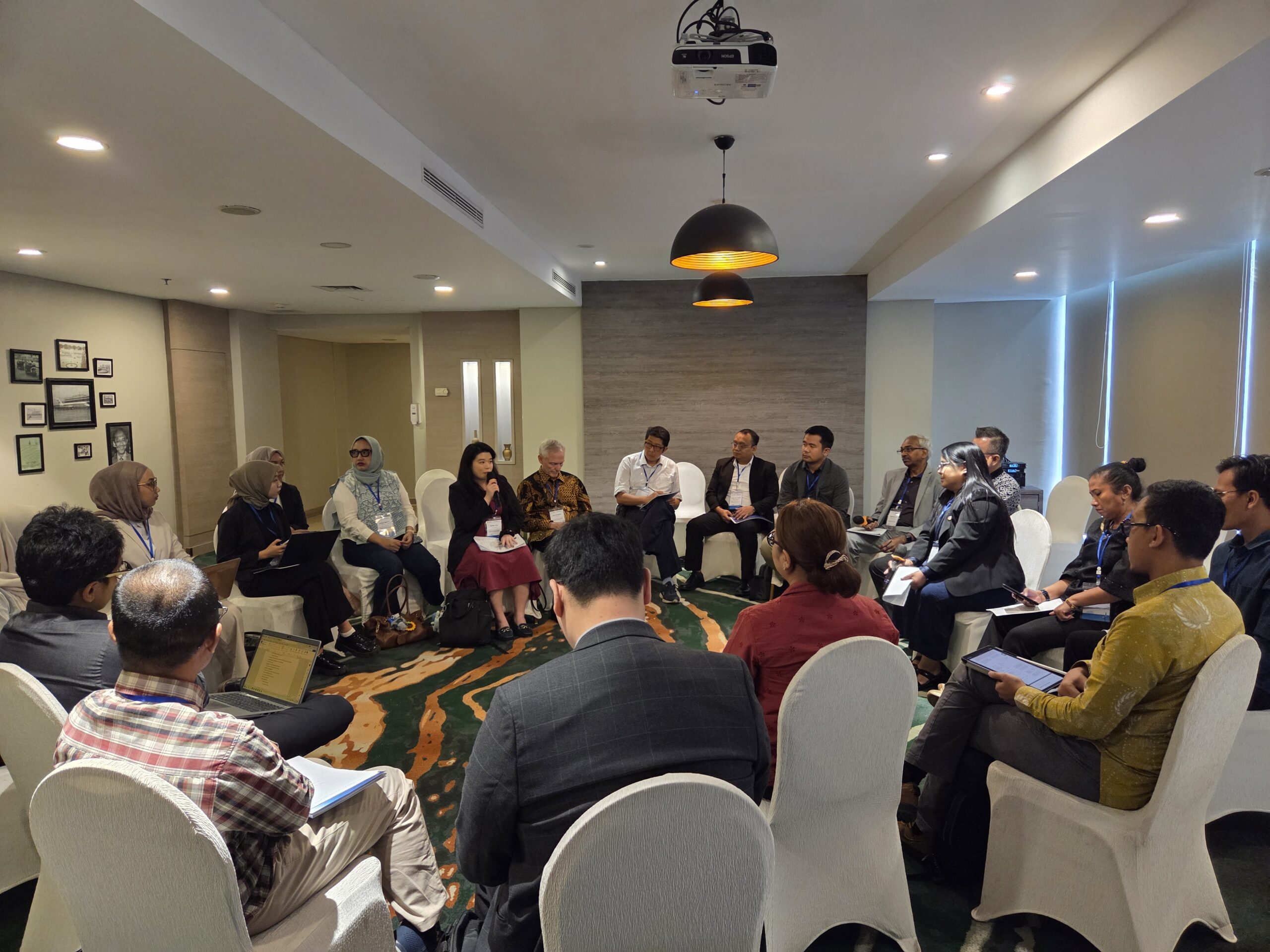
The Forum, held in Jakarta in February 2026, laid the foundation: participants arrived as strangers and left with early ideas for seven Decarbonization Strategy Frameworks, each developed through direct engagement between ACE Partners’ technical team and the seven twinning clusters. The clusters spanned municipal building efficiency, public health facility solar power, zone-level renewable energy, low-carbon thermal energy for food and beverage manufacturing, textile fiber recovery, real estate carbon accounting, and tourism mobility.

In Butuan City, Philippines, the local government leveraged an existing energy efficiency target and a Level 1 compliance audit as a starting point. Twinning support helped identify priority facilities and map a route toward financing through DBP’s E2SAVE program.
“The question now is no longer whether we should transition toward clean energy. The direction has already been established. The question now is: How fast can we do it, and who will build it with us?” – Gemma Tabada, City Government of Butuan
Clark Development Corporation in the Philippines and Deep C Industrial Zones in Viet Nam, two industrial zone operators both near 4 percent renewable penetration, utilized the twinning process to compare notes across very different regulatory frameworks, producing one of the program’s most precisely structured financing asks.
“The sessions were valuable for profiling the twin institutions, mapping the legal and regulatory framework, the power landscape in the ecozone, and the participation of renewables in the mix. Learning about Deep C in particular showed real differences between the Philippine and Vietnamese regulatory landscape.” – Clark Development Corporation (CDC)
In Indonesia, PT Ever Shine Tex Tbk used its engagement to explore recycled-content verification for post-industrial synthetic fiber waste, opening an early-stage discussion with a credible ecosystem partner.
“The program created an interesting two-way learning opportunity, where Ever Shine could learn from other participants while also sharing practical experience with organizations at different stages of decarbonization.” – PT Ever Shine Tex Tbk
Sinar Mas Land, Indonesia, and a real estate developer counterpart in the Philippines approached twinning from different angles, one refining the emissions data it already collected, the other still building its process, but found common ground once they compared notes directly.
“That short interaction with Sinar Mas Land was genuinely encouraging: we realized they were experiencing the same regulatory and policy challenges we were, and that we were at a similar size and stage. That was really the key takeaway for me.” – Real Estate Developer, Philippines
Testing the Model in Front of Financiers
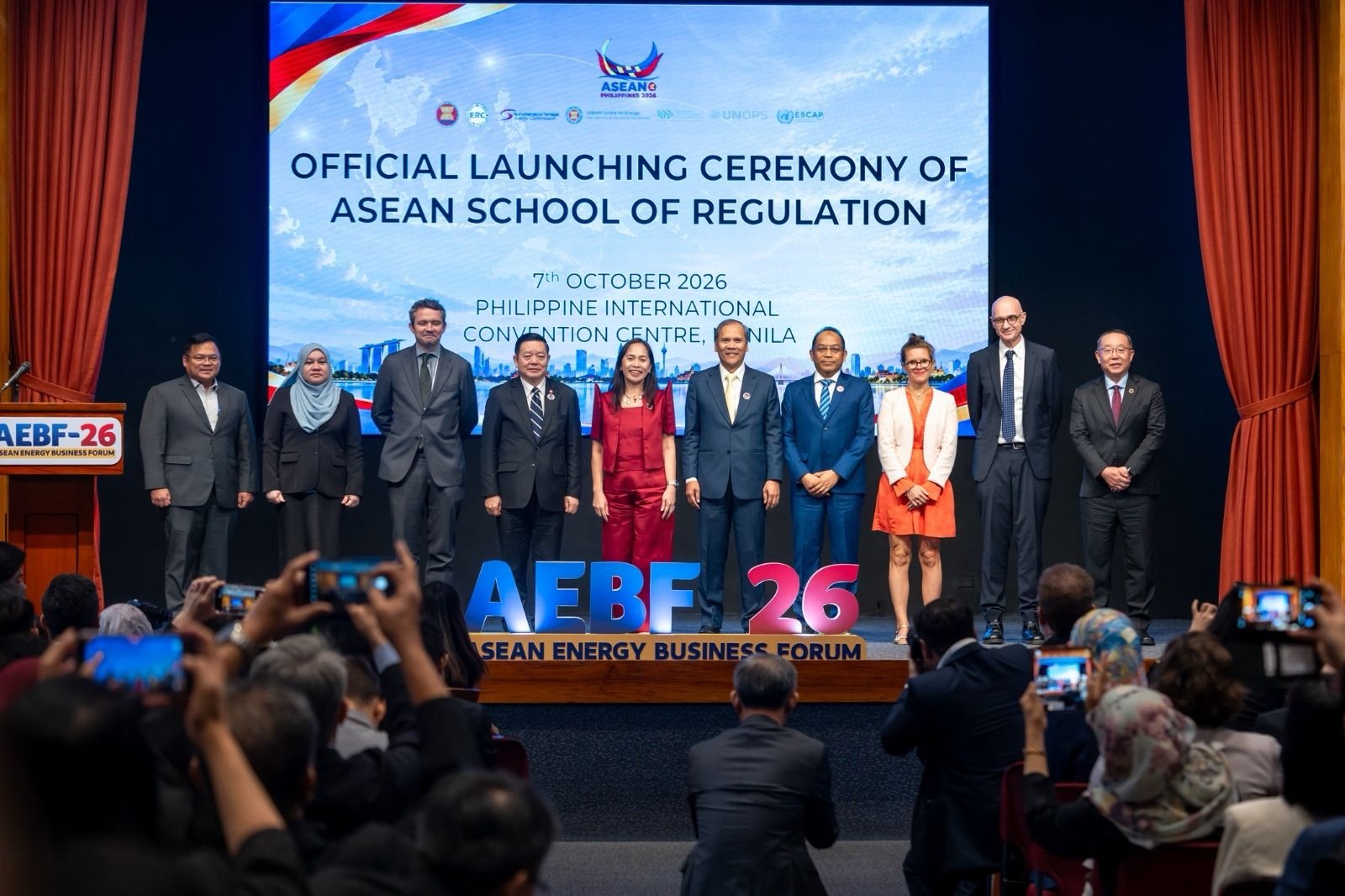
The program’s final convening, the Decarbonization Investment Dialogue, brought six clusters in front of financiers, development finance institutions, and ecosystem partners in Manila on 13 August 2026. The event drew 36 in-person and 6 virtual participants representing 24 organizations, producing specific signals of interest for four of the six presenting clusters.
The dialogue reinforced a consistent theme: the gap holding back financing conversations is rarely the absence of technology or capital. More often, it is the distance between compliance-level assessments and the investment-grade technical baselines that financing decisions require.

What Continues from Here
While the program’s formal milestones are complete, the relationships it built are ongoing. Clark Development Corporation is organising a bilateral knowledge-sharing session with its Real Estate cluster counterpart, a conversation that began organically during the Investment Dialogue. The Province of Lanao del Sur is being connected with regional programs relevant to its health facility solar model. And seven detailed case studies are being published on ETP’s website alongside the underlying Strategy Frameworks, carrying the practical lessons from this first cohort forward, including from Siargao, where the Tourism cluster is still finding its footing around a locally originated proposal for coordinated transport terminals.
As one closing reflection noted, the initiative was modest in scale but grounded in a larger conviction: that Southeast Asia’s decarbonization, and the region’s competitiveness, grow stronger through regional collaboration. The work these seven clusters have initiated does not need to end here.