By: RCEE JSC
As a technical collaborator with the Department of Climate Change, the Southeast Asia Energy Transition Partnership (ETP) is helping lay the foundation for the Voluntary Carbon Labelling Programme (VCLP); an initiative empowering enterprises to measure, manage, and disclose product carbon footprints. By adopting these standards early, businesses can proactively navigate increasingly stringent emissions regulations, satisfy evolving ESG expectations, ensure CBAM compliance, and gain a competitive edge in global low-carbon supply chains.
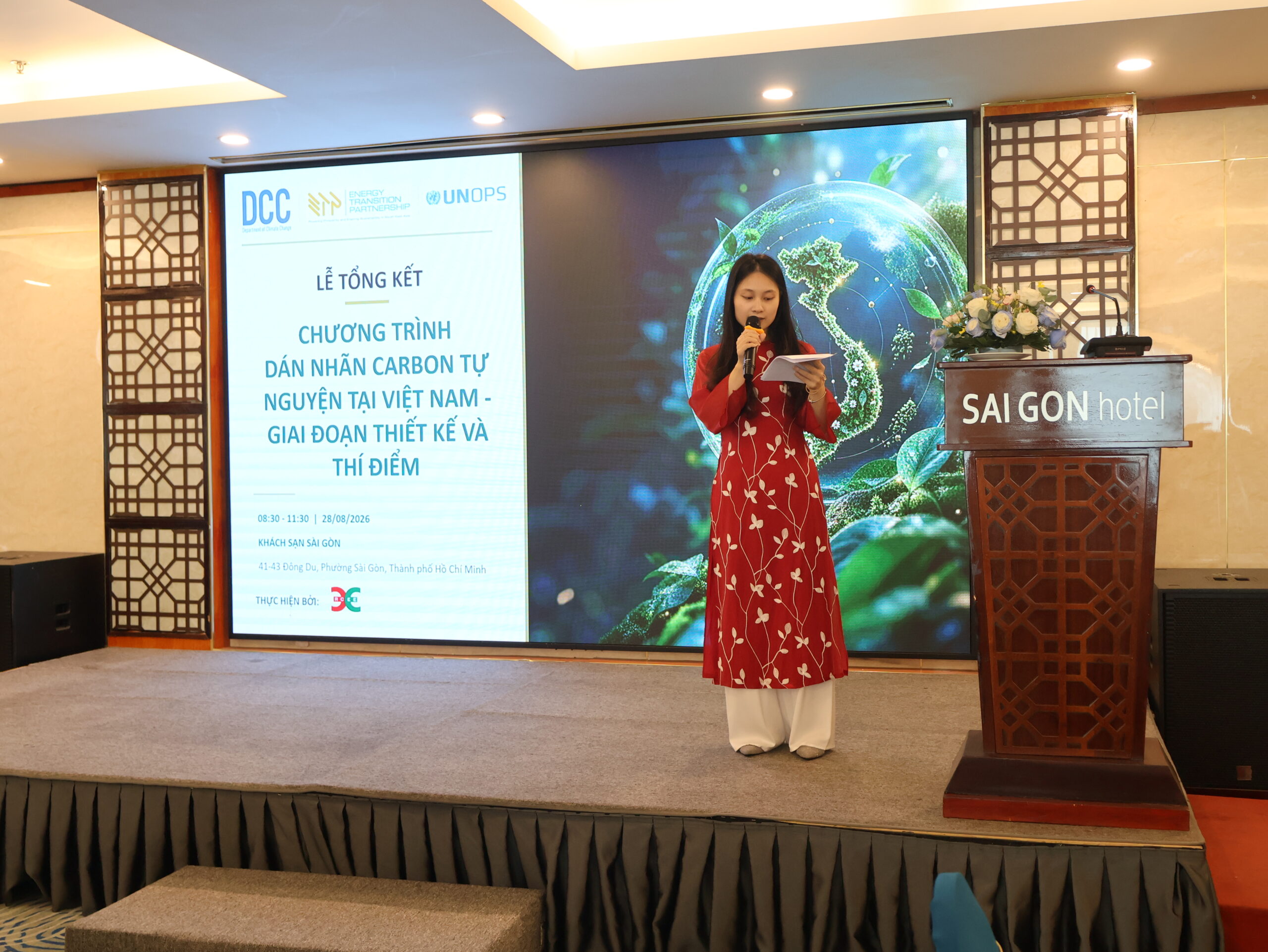
This momentum culminated on August 28, 2026, in Ho Chi Minh City at the project’s final workshop, which laid the groundwork for a national framework designed to incentivize carbon measurement, reporting, and reduction. By fostering these sustainable practices, the initiative not only supports local enterprise growth but also directly aligns Vietnam with global climate goals.

At the event, the consulting team presented the proposed design of the VLCP, the results of the pilot phase and lessons learned during implementation. The programme framework was developed in alignment with international practices, covering product carbon footprint calculation methodologies, procedures for registration, verification and label issuance, institutional coordination mechanisms and supporting tools for enterprises.

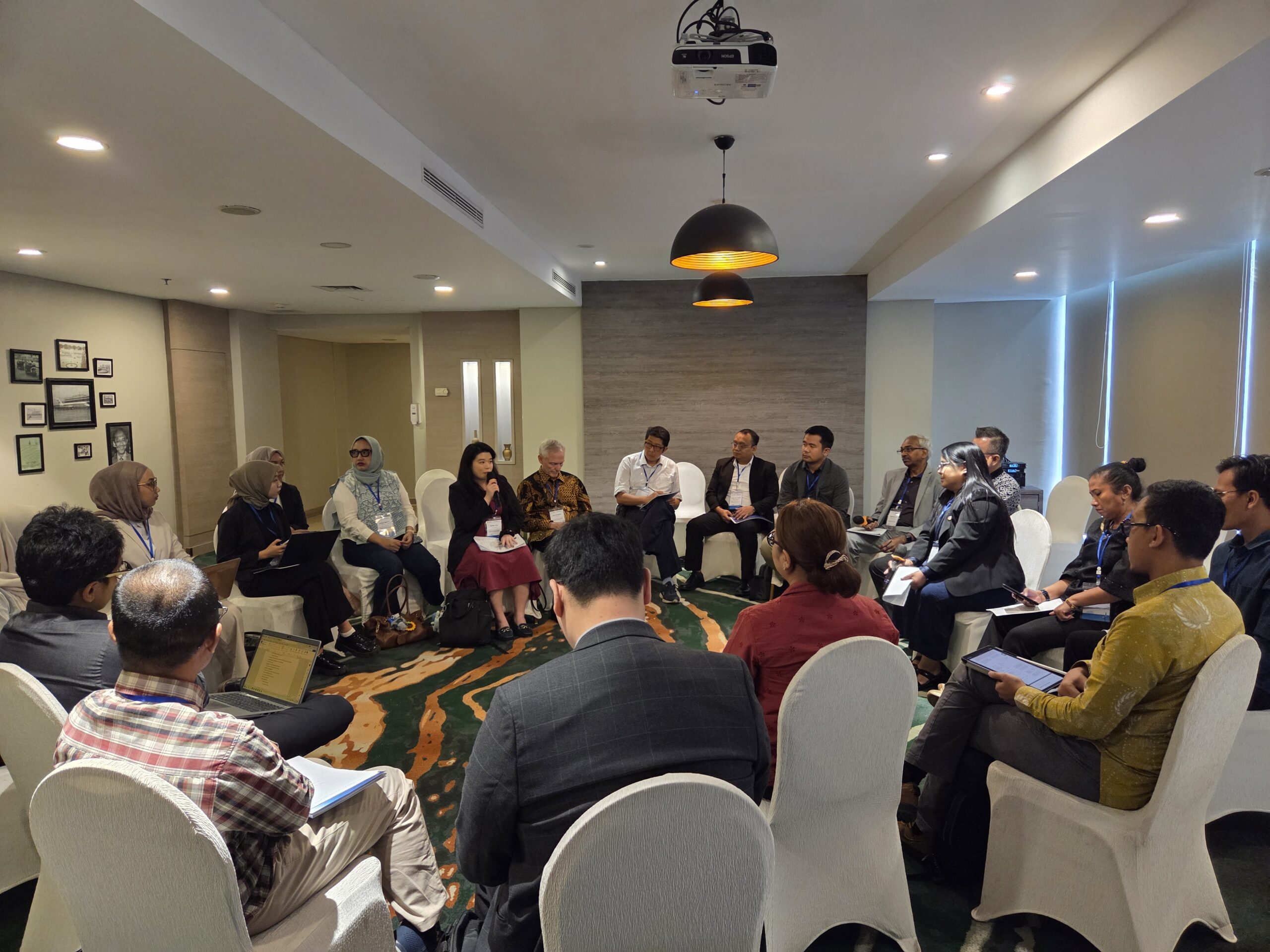
During the pilot phase, the project successfully organized two technical workshops with the presence of more than 200 participants from different key industrial sectors. In addition, 10 enterprises from three sectors: food processing, pulp and paper, and chemicals, received support to collect and standardize data, defining system boundaries, applying product carbon footprint calculation tools and accessing relevant Product Category Rules (PCRs).
The results demonstrated that calculating product carbon footprints is technically feasible. However, enterprises still face challenges in collecting product-level data, allocating shared data, accessing appropriate emission factors and managing emissions data across their supply chains.
Representatives of HHP GLOBAL Joint Stock Company and Miza Nghi Son Company Limited shared their results, voluntary emissions reduction activities, investment plans and experience participating in the pilot programme. The enterprises noted that carbon footprint management helps standardize data, identify major emission sources and strengthen their capacity to meet the requirements of customers and international markets.
Based on the project’s results, the key recommendations focus on completing the legal framework, establishing a programme management entity, developing PCRs and a national emission factor database; standardizing tools, templates and verification procedures; and strengthening training and technical support for enterprises.

The Final Workshop marked the completion of the design and pilot phase and provided a practical foundation for further refining and gradually implementing the VLCP in Vietnam. These efforts are expected to enhance the competitiveness of Vietnamese enterprises, promote sustainable production and consumption, and contribute to Vietnam’s goal of achieving net-zero emissions by 2050. The project outputs serve as the basis for DCC to consider developing appropriate policies to support the reduction of greenhouse gas emissions and response to climate change in the period of 2026-2028.