By: Vania Hutagalung, SIEMENS Indonesia
Indonesia, as a nation pursuing ambitious renewable energy goals and a commitment to Net Zero Emissions by 2060, has seen Battery Energy Storage Systems (BESS) emerging as a critical enabler of this transition. In support of this chapter,the Southeast Asia Energy Transition Partnership (UNOPS) and Siemens Indonesia are driving driving strategic initiatives that bring together global expertise and local insights to develop BESS in Indonesia
Building Momentum Through Collaborative Workshops
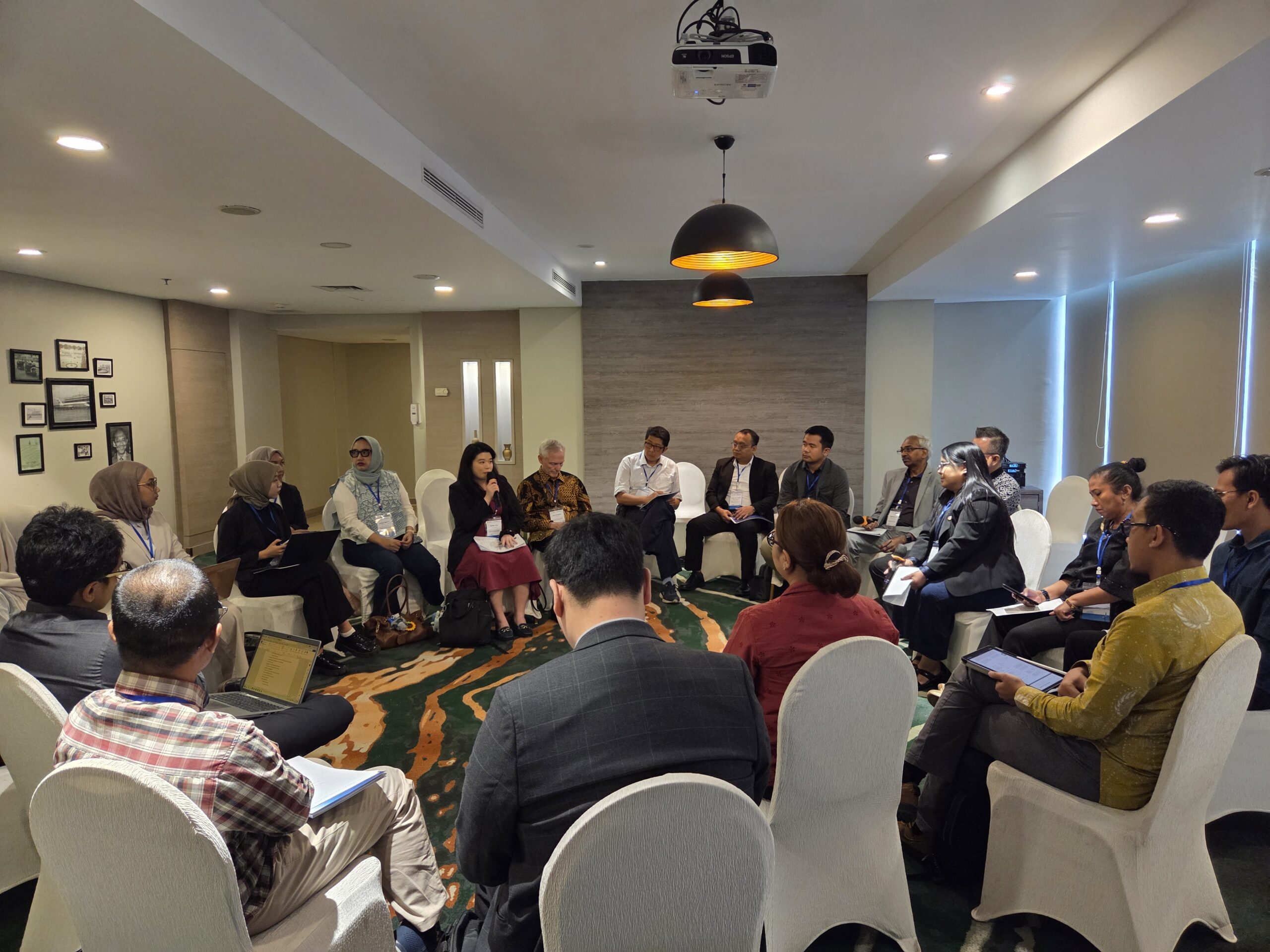
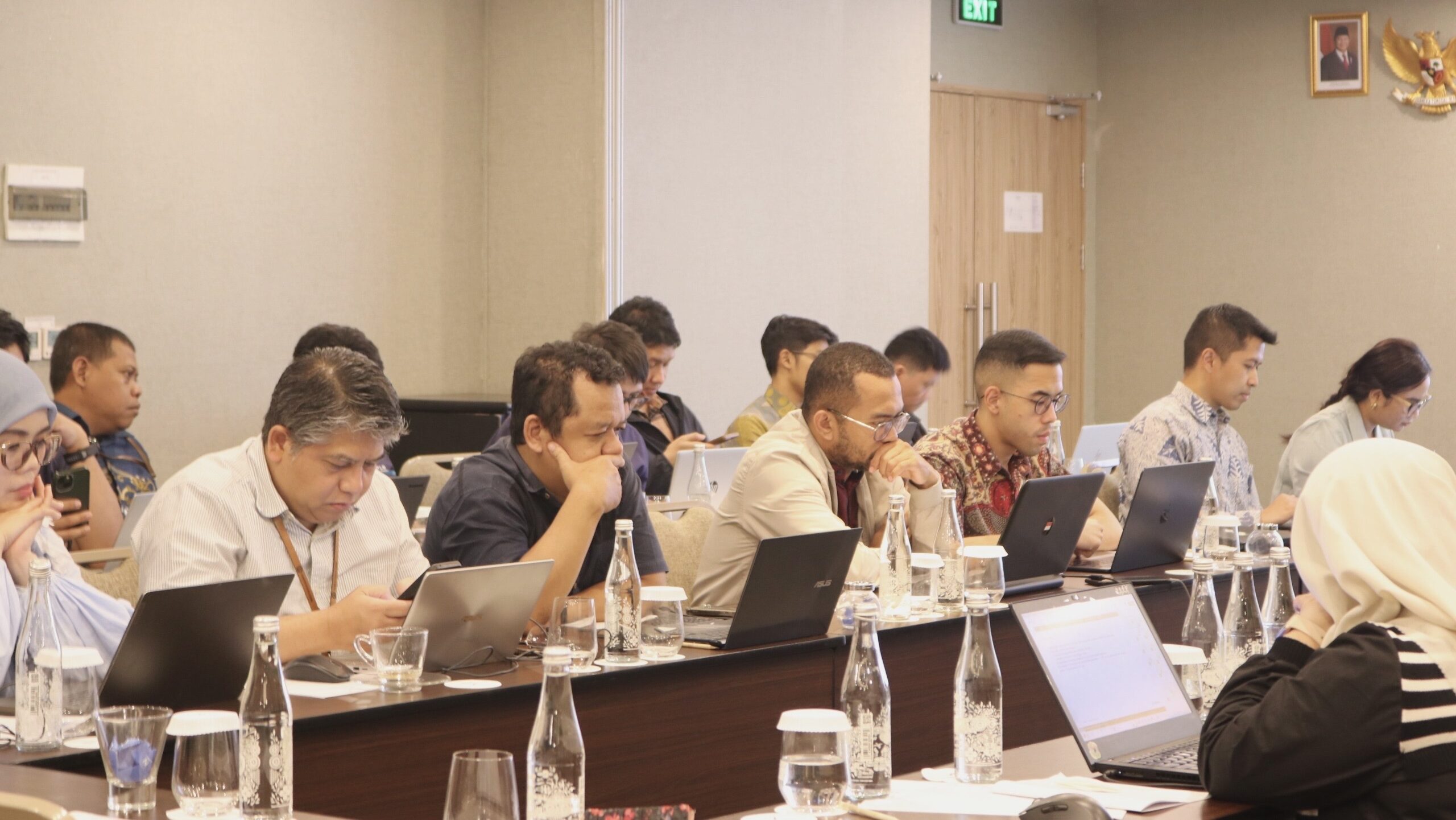
In October and December 2025, ETP UNOPS with Siemens Indonesia delivered tailored, transformative workshops that brought together local and international experts to address the challenges of BESS deployment in Indonesia. These sessions provided a charted practical roadmap for integrating energy storage into Indonesia’s grid infrastructure.
- Improved Technical Infrastructure: Participants explored grid stability requirements, international best practices, and cybersecurity protocols essential for large-scale BESS deployment.
- Business Models & Investment Frameworks: Discussions highlighted comparative business models, including “Full Tolling” and “Co-location with Renewables” schemes tailored to Indonesia’s market context, alongside structured project tendering methodologies.
- Emphasized the need for clear BESS classification, standardized contract structures, and supportive incentive policies (including tax breaks and grants) to accelerate adoption.

Indonesia’s Ambitious Vision
The nation’s strategic development plan reflects bold commitments: a deployment target of 6 GW of BESS by 2034 and a comprehensive storage capacity goal of 34 GW by 2060. These targets underscore Indonesia’s determination to build a resilient, sustainable energy infrastructure.
Unlocking Indonesia’s Competitive Advantage
Beyond policy and technology, Indonesia possesses significant competitive advantages. The nation’s rich mineral resources present substantial opportunities for battery production, while investments in R&D, recycling infrastructure, and human capital development can position Indonesia as a regional leader in energy storage innovation.
The workshops also mention critical considerations often overlooked: BESS safety protocols, environmental risk management, and tailored waste management standards; essential components of a truly sustainable energy transition.
Future Action
The collaborative energy and insightful exchanges during these workshops reflect a shared commitment to translating strategy into action. As we move forward, the focus remains on fostering impactful partnerships, refining regulatory frameworks, and mobilizing investment to realize Indonesia’s renewable energy potential.