By: Asia Clean Energy Partners

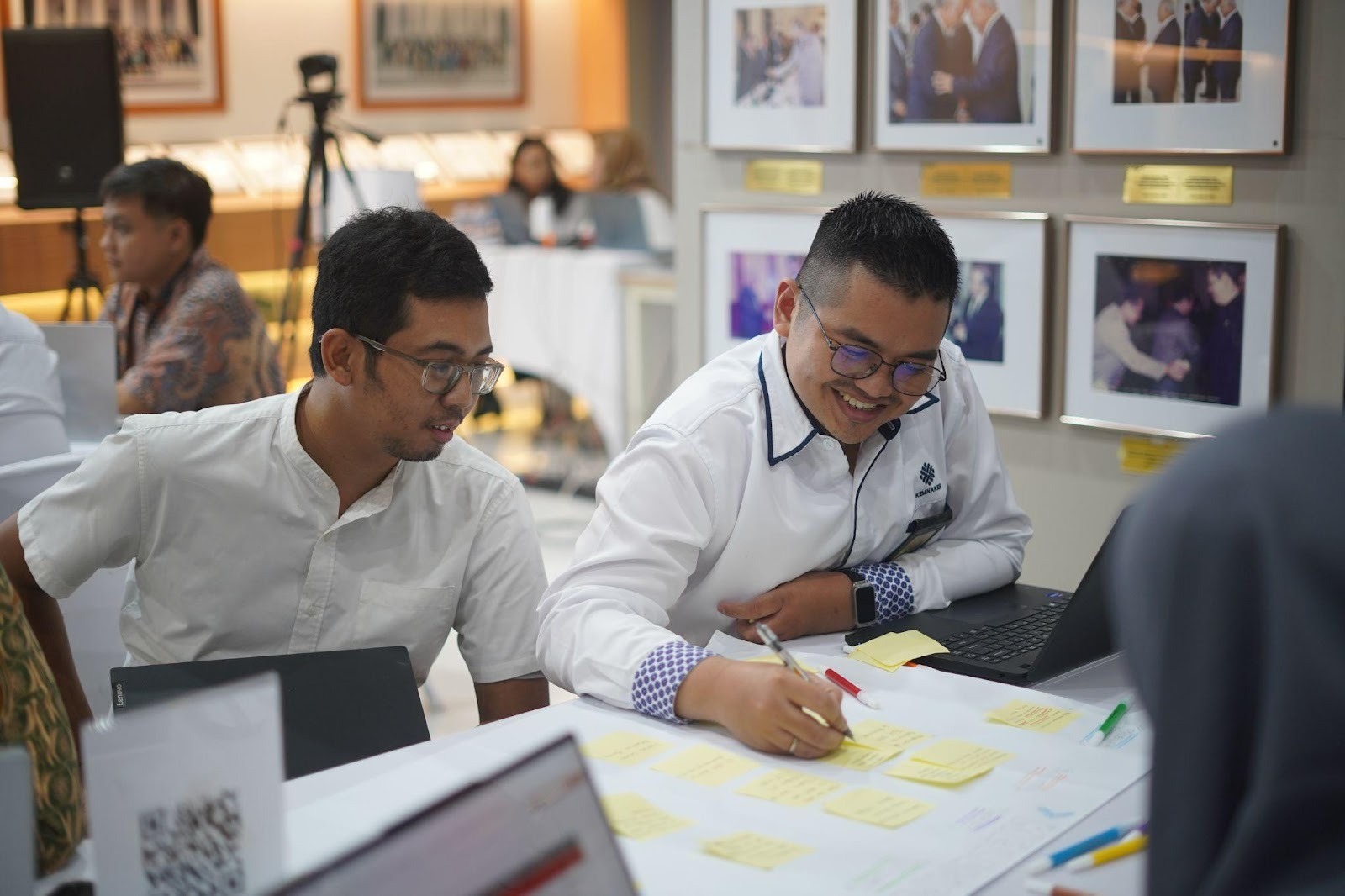
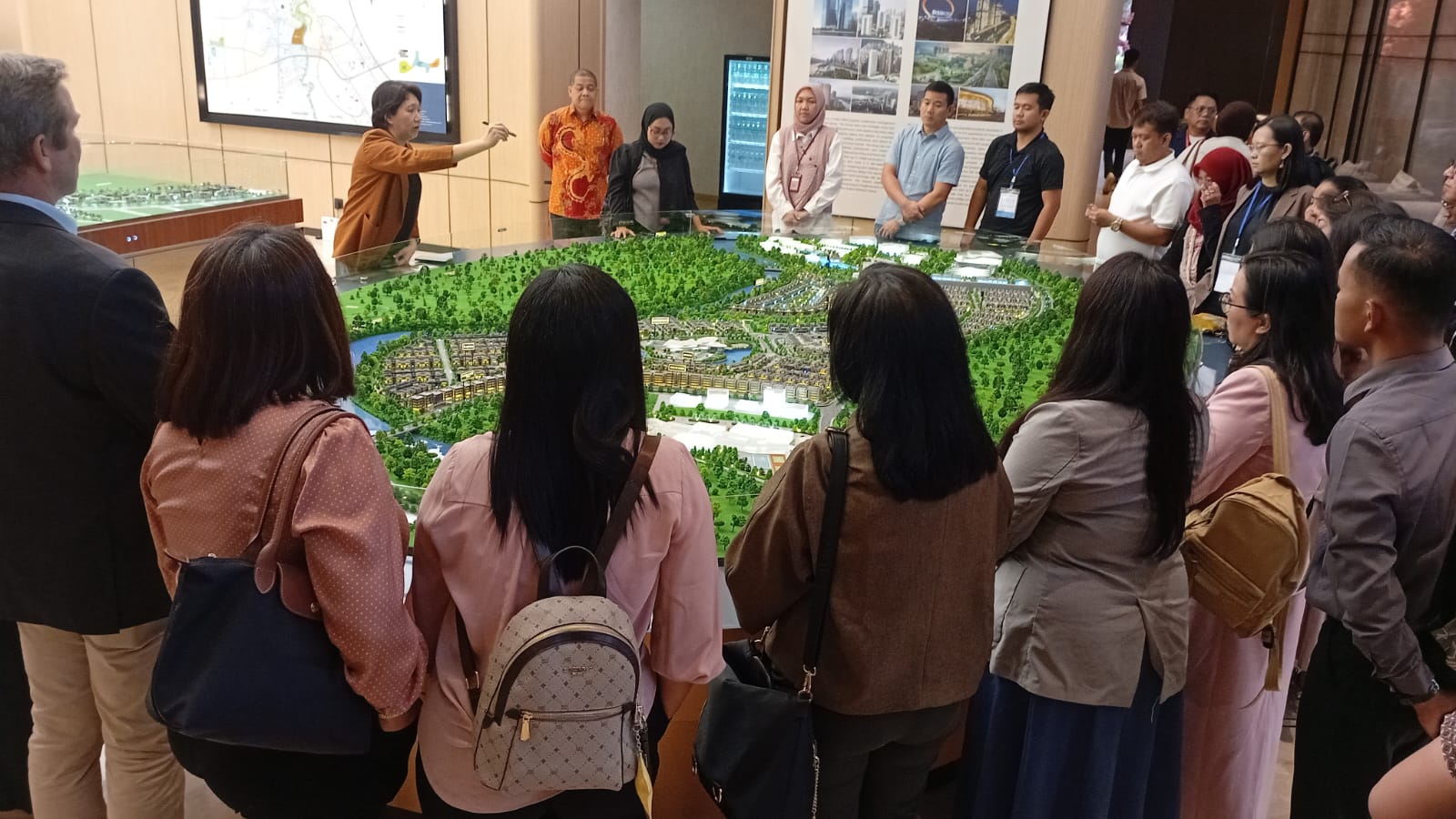
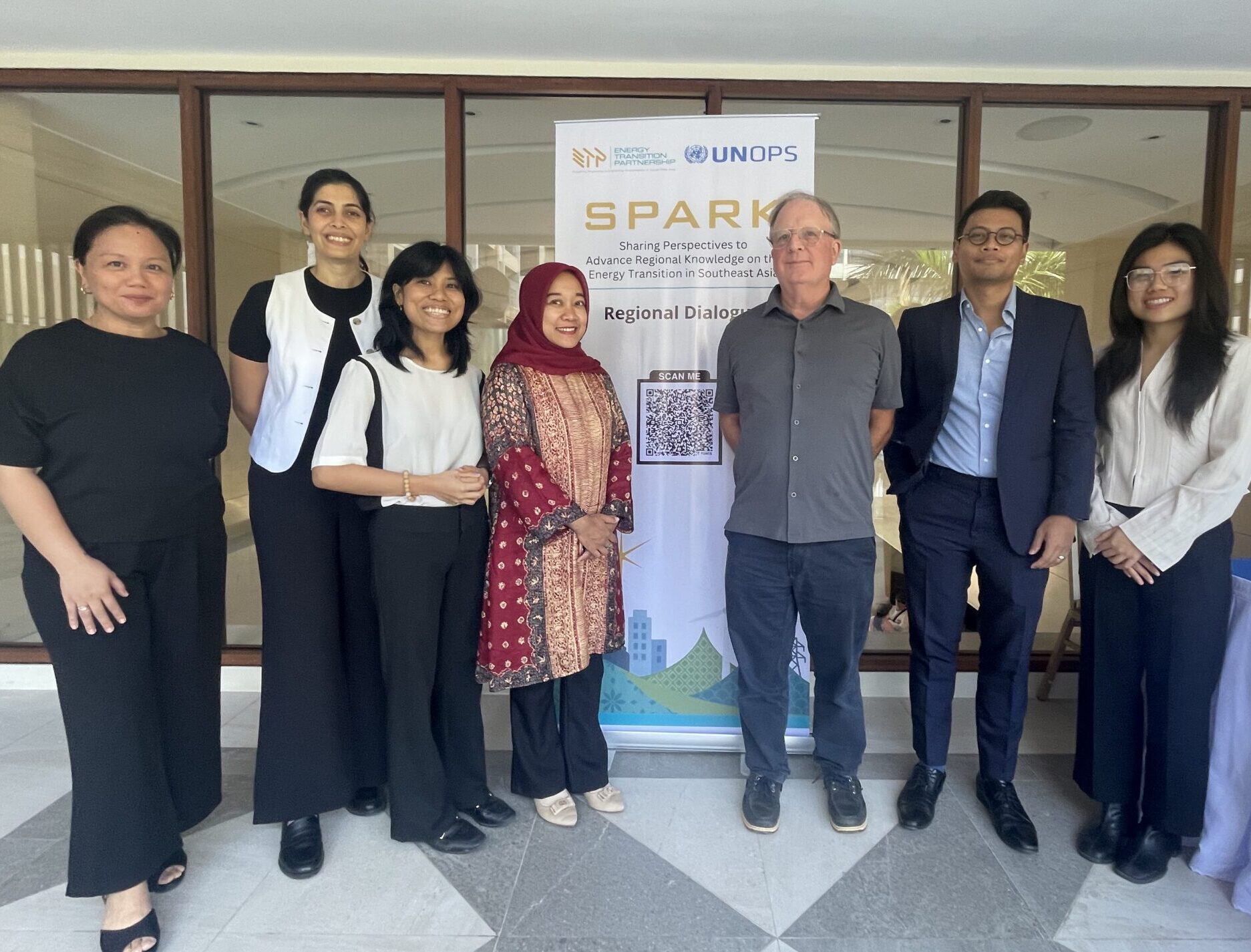
Working in the power sector is rarely simple. Every challenge and solution is shaped by local realities. This idea captured the spirit of the second SPARK dialogue, on Coal Phase-Down Financing, held on 19 and 20 January 2026 in Bohol, the Philippines, and co-hosted by the Philippines’ Department of Energy.
The phase-down of coal-fired power plants sits at one of the most difficult crossroads in the region’s energy transition. It affects multiple, often competing priorities. The process of coal phase-down is technically demanding, financially complex, and politically sensitive and is therefore rarely discussed with full candor.
The SPARK dialogue, an initiative of the Southeast Asia Energy Transition Partnership, offers a platform to remedy this. The closed-door format of the SPARK dialogues, convened under the Chatham House Rule, brings together senior government leaders and industry experts from Viet Nam, Indonesia, the Philippines, and beyond to engage openly with the hardest realities of the energy transition and to dig deeper, and go beyond slogans and headlines. True to that promise, SPARK 2 didn’t disappoint.
Building on the foundations of the first SPARK dialogue, which focused on Carbon Markets and Pricing, this second convening focused on how coal can be phased down in Southeast Asia in a way that is?technically feasible, financially credible, and socially responsible. SPARK 2 created a trusted space where countries can confront the hardest questions of coal phase-down together, and begin turning complex system challenges into financeable transition pathways.
Context is Key
Southeast Asia’s starting point for the phase-down of coal-fired power plants looks very different from that of other economies. The case studies, both from within the region and from three countries, highlighted the stark differences in the drivers, frameworks and circumstances, making it clear that there is a need to develop guidelines specifically applicable to the region’s considerations.

Coal plants across Southeast Asia are relatively young, bound by long-term power purchase agreements (PPAs), and designed to operate as baseload assets. Electricity demand continues to rise, grids are still expanding, and policymakers must balance reliability, affordability, and meeting climate goals at the same time.
In terms of financing, it is important to recognize what and who needs to be financed as well as the need to continue to work in evolving taxonomies supportive of this, and related initiatives.
Against this challenging backdrop, the second SPARK dialogue moved quickly beyond the question of whether coal should be phased down and focused instead on how.
Discussions among participants zeroed in on reducing coal utilization, increasing operational flexibility, enabling fuel switching, repurposing sites, and sequencing retirements without triggering system instability, creating stranded assets, or causing social disruption (e.g., unemployment, negative economic impacts).
Across all three countries, some common threads emerged clearly and consistently:
- Long-term planning and policy coherence are foundational. Without this coherence, utilities, regulators and investors face conflicting signals. Participants agreed that credible transition pathways must be embedded in national plans and supported by consistent policies across ministries and institutions.
- PPAs and regulatory frameworks are central constraints. Many coal plants operate under long-term, cost-recovery PPAs that shield investors from market risk and make early retirement financially and legally complex. As a result, coal phase-down is not driven by market forces alone but requires deliberate policy action and financial mechanisms to address contractual obligations and cost-recovery arrangements.
- Clear definitions and taxonomies for green finance and transition finance are essential for guiding financial markets. Without explicit taxonomy guidance, phase-down transactions fall into a grey area, creating uncertainty for investors and regulators. Participants highlighted the importance of transition-specific criteria that ensure environmental integrity while enabling financing for time-bound, emissions-reducing activities.
- Just transition considerations must be integrated from the start. Coal phase-down affects employment, local economies, and political acceptance – all of which influence the pace and durability of the transition. Participants stressed that workforce transition, community engagement, and site repurposing must be embedded early in planning processes.
- Transition finance must address entire systems, not only individual assets. Financing coal phase-down also involves system-level investments in replacement generation, grid expansion, flexibility resources, and social support mechanisms. Participants noted that focusing only on asset-level transactions risks overlooking the broader costs and requirements of maintaining reliability and affordability during the transition.
- There is a need to align with emission commitments, e.g. Net Zero/ NDC, etc. and these commitments must be translated into operational planning assumptions, regulatory criteria, and investment frameworks. Participants were unanimous that aligning power sector plans and financial regulations with these commitments is necessary to provide consistent signals to markets and institutions.
From Analysis to Action
The second SPARK dialogue reinforced a simple but powerful truth: coal phase-down in Southeast Asia will not happen through one-size-fits-all solutions or isolated financial transactions or based on examples from advanced countries. It will require creative and at times, bold thinking. It will involve much closer coordination, and regular dialogues, among energy planners, finance ministries, regulators, utilities, civil society and investors. It must be enhanced through close regional cooperation on technical and financial standards and taxonomies. And it will need an aligned ecosystem of support from governments, financial institutions and development partners. There is also an opportunity for peer-to-peer exchange of experience and knowledge amongst the ASEAN nations.
Above all, it demands that we move from ‘analysis paralysis’ to trying things out, and building a measured, but constant, momentum. The objective, after all, is not to step off a cliff, but to build a slope that allows for an orderly phase-down.
The destination is clear: a secure, affordable, and low-carbon energy system. The challenge lies in designing pathways that are credible, investable, and grounded in Southeast Asia’s lived realities.