In the process of reaching its ambitious energy targets, the Philippines is shifting more towards green energy. However, the country’s existing grid infrastructure is lagging behind, resulting in bottlenecks linked to renewable energy (RE) deployment.
Three years ago, ETP designed the Accelerating Clean Energy Scenarios (ACES) in the Philippines Project, to strengthen the capacity of government counterparts (Department of Energy (DOE), National Transmission Corporation (TransCo), and the Energy Regulatory Commission (ERC). This would be achieved by improving policy-making and setting clean energy targets using enhanced power sector modeling. Supported by our implementing partners, Intelligent Energy Systems Ltd. (IES), Pterra Consulting Philippines and Nel Consulting Limited (NCL), a key component of the project was assessing the Philippine Energy Plan’s (PEP) CES and coal transition.
Beyond modeling projected scenarios and their implications for the power system, the project identified critical grid upgrades, improved financial planning strategies, and streamlined pathways for generation integration.

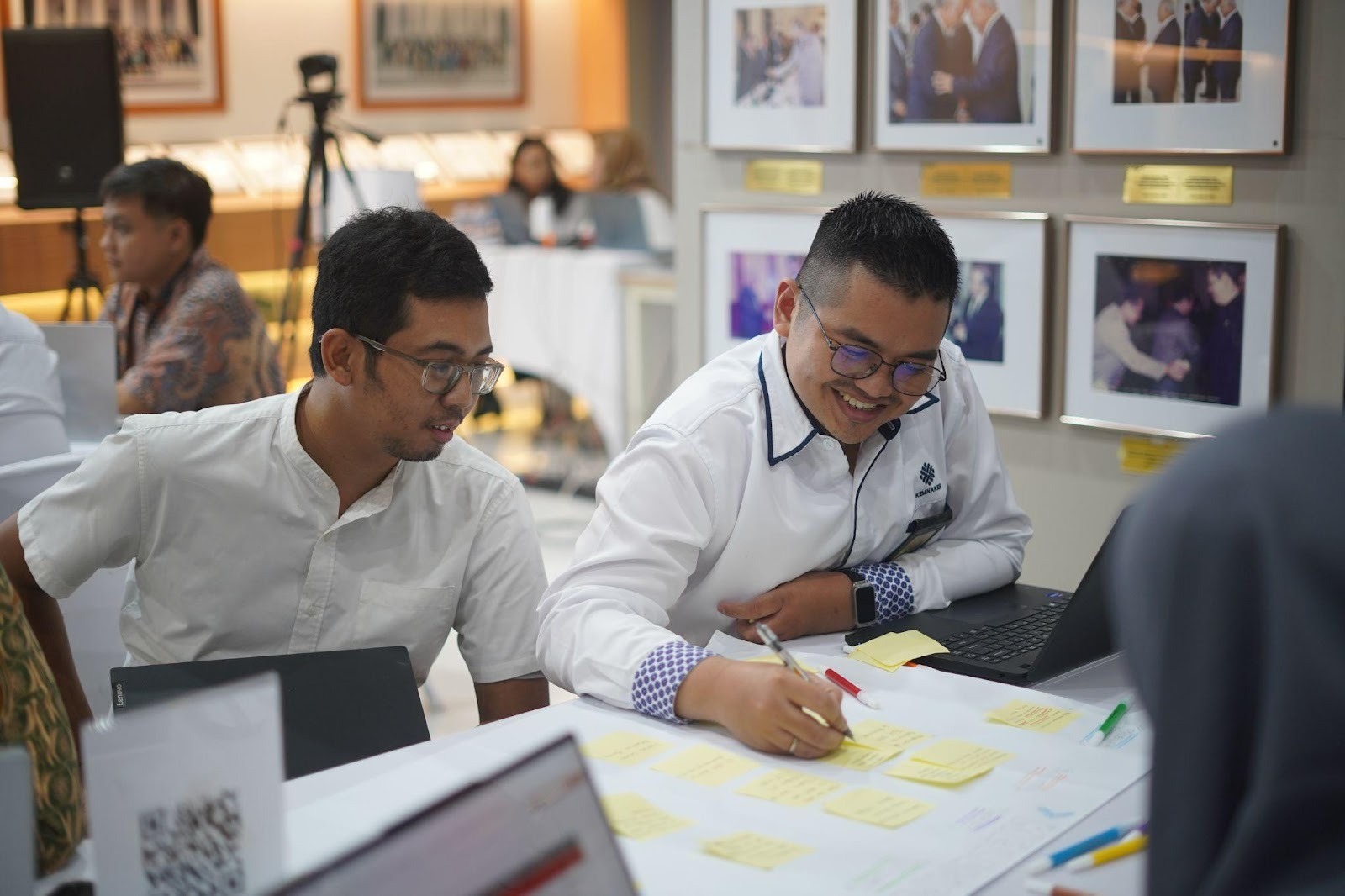
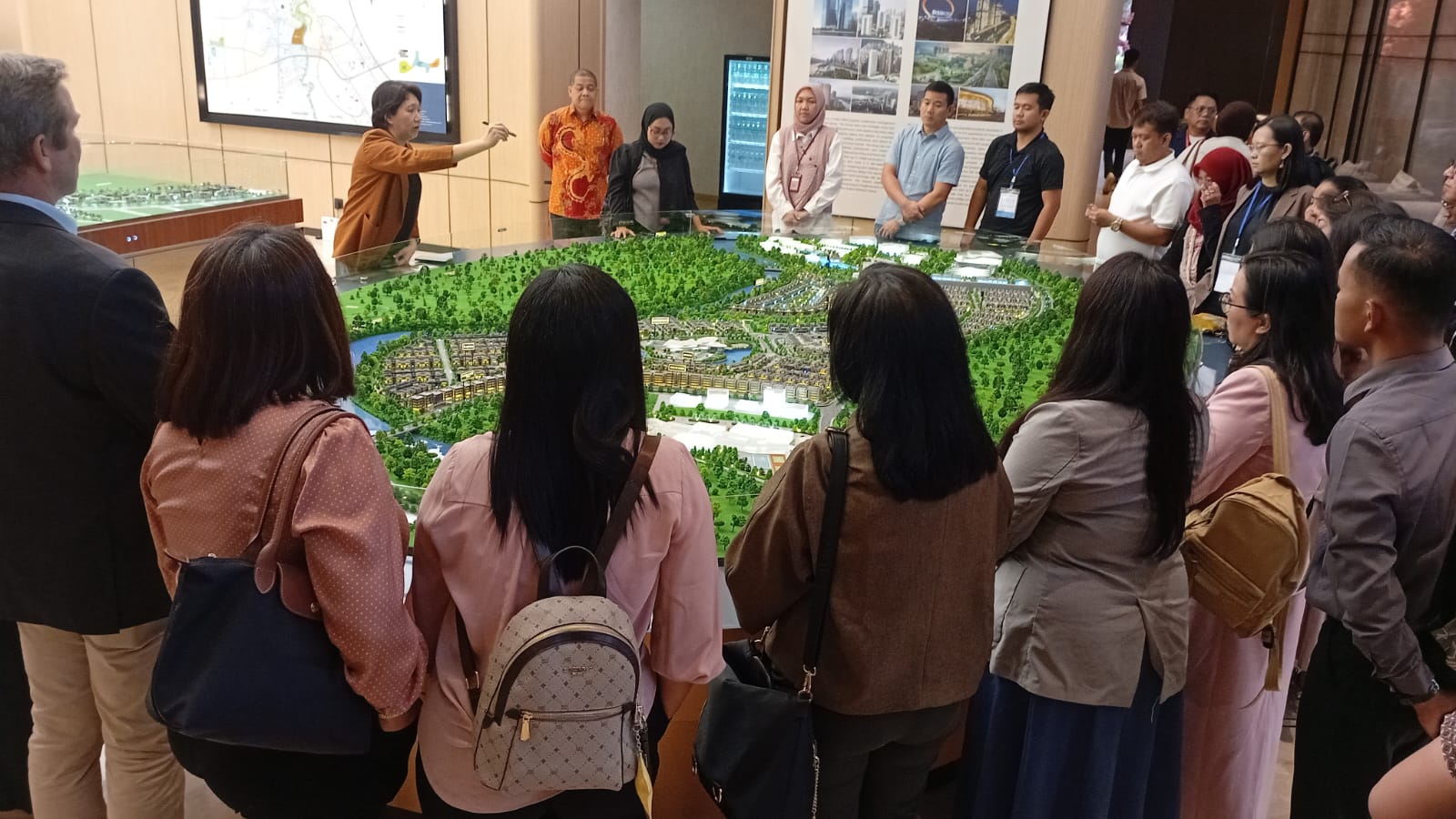
On March 25, 2026, ETP convened the DOE, TransCo, National Grid Corporation of the Philippines (NGCP), Bangko Sentral ng Pilipinas (BSP), Department of Trade and Industry Board of Investment (DTI-BOI), financing institutions, civil society organizations, development partners, and energy developers to share key insights from the Integrated Generation and Transmission Planning Findings and the project’s CES Investment Planning Output. The forum served as a platform for alignment among energy stakeholders for a more sustainable energy future.
Integrated Generation and Transmission Planning for a Clean Future
A power sector using conventional energy sources takes a sequential approach when it comes to planning; generation is planned first, then followed by transmission planning. During the Dissemination Forum, IES Director Dr. Stuart Thorncraft emphasized the importance of coordinating generation and transmission planning in an energy mix increasing with RE. Unlike conventional generation mixes, RE sources are location specific resulting in less flexibility over its proximity with transmission networks. Coordinating generation and transmission planning becomes a more integral part in a cost-effective energy transition as it accounts for the interdependencies between resource location, transmission network contracts, and system; thus lessening delays in RE deployment.
The project modelled the Reference Scenarios under the Philippine Energy Plan (PEP). Dr. Thorncraft highlighted that the modelling results underscored the importance of longer duration storage, competitive renewable energy zones (CREZ), coal transition policy support, and transmission upgrades in achieving energy transition targets.
A central finding of the project was the necessity of longer-duration storage (eg: pumped storage hydro (PSH)) to provide extra system services essential for accommodating greater levels of variable renewable energy. Alongside developing storage capacity, prioritizing and unlocking Competitive Renewable Energy Zones (CREZ), especially the Luzon CREZ, was found critical in achieving decarbonization goals. The Luzon CREZ is projected to host most offshore wind (OSW) sources and could supply 41% of system demand. This has significant transmission and reliability planning implications to connect the large amount of OSW from this location to the grid.

Furthermore, removal of coal capacity may create system security considerations. The modelling found that the coal transition is highly dependent on clean energy deployment, requiring policy readiness and a robust transition framework for the young coal-fired power fleet in the Philippines. In addition, CES 1 and CES 2 significantly increases network congestion, requiring substantial reinforcement of the transmission network.
Dr. Thorncraft concluded the discussion on the key results of integrated generation and transmission findings by highlighting that “ambitious decarbonisation targets are achievable but they’re going to require significant coordination and planning across generation and transmission, along with suitable policy and market development.”
Enabling an Energy Transition through a Transmission Investment Plan

In line with insights from the modelling study on the clean energy scenarios, Pterra Consulting Philippines Senior Consultant Eng. Ted Garcia presented the project’s CES Investment Plan which outlines the total transmission investment cost under the different scenarios in the PEP. IES Managing Consultant Patrick Wang presented the total capital cost required to develop the three scenarios.

Their presentations highlighted the following findings:
- The Mindanao region is better prepared for this shift than Luzon or Visayas because its current power network is already well-aligned with future plans, leading to more stable infrastructure costs.
- Transitioning to clean energy will require massive investment. Total costs are projected to jump from the baseline to $230 billion (CES 1) or even $323 billion (CES 2) by 2050.
- These high costs are largely driven by the development of offshore wind and nuclear power. To succeed, these projects will need strong government policy to manage risks.
- As we add more renewables, we must also invest heavily in battery storage (up to $21 billion) to ensure a steady, reliable power supply.
It is evident that switching to clean energy is more expensive than staying the course, requiring major grid upgrades and expensive new technologies, but it provides a clear roadmap for the country’s sustainable future.
Identifying Next Steps


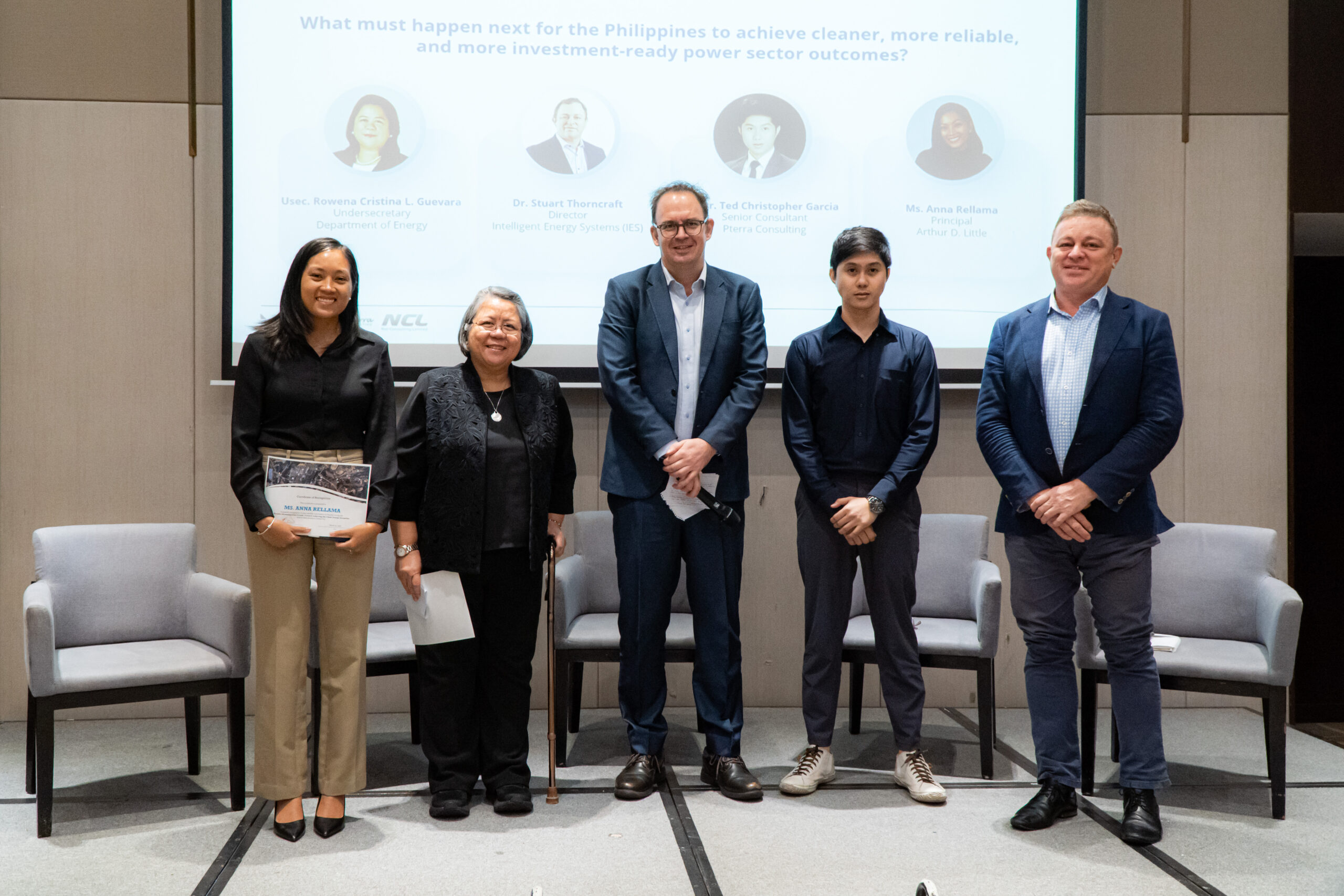
Department of Energy Undersecretary Rowena Cristina L. Guevara, IES Director Dr. Stuart Thorncraft, Pterra Consulting Senior Consultant Engr. Ted Garcia, and Arthur D. Little Principal Anna Rellama participated in a panel discussion moderated by ETP Senior Program Manager John Robert Cotton where questions were taken from various energy sector representatives from the audience. The panelists shared their insights on questions about unlocking financing opportunities with government banks, end-of-life management of RE, among others.

Undersecretary Guevara highlighted the importance of strengthening interagency planning especially between DOE, NGCP, and TransCo to ensure efficient release of transmission development plans. She called on development partners to continue existing partnerships
with DOE, citing DOE’s continuing partnership with ETP through its next project which provides support to effectively assess and plan coal retirement pathways. Lastly, she underscored the important role development partners have in helping secure affordable financing for the energy transition.

The multi-stakeholder presence in the event allowed for discussion on the urgent needs of the Philippine energy transition including the importance of collaboration across government and non-government stakeholders especially with regards to transmission and generation planning.
Undersecretary Guevara emphasized this in her opening remarks saying that “As the ACES project moves towards completion, it is important to revisit the country’s energy transition priorities as well as to remind everyone on the significance of integrating both generation and transmission planning in formulating power development plans.”
The Philippines is at a critical moment in its pursuit of a cleaner and more resilient energy sector. Insights from the forum make it clear that challenges in financing and coordination remain. However, integrated planning, shared commitments, and well informed policy-support provide an opportunity to turn plans into concrete actions towards achieving a clean energy-secure future.