By: Alvianni Mahmudah, Neyen Consulting
The transition to a net-zero economy requires more than just technological investment; it requires a workforce equipped with the specific skills needed to manage a changing energy landscape. To address this, the Southeast Asia Energy Transition Partnership (ETP), in collaboration with PPSDM KEBTKE, recently concluded a series of capacity-building workshops focused on the SWIFT National Roadmap for Workforce Development 2025–2060. These sessions, held in October 2025 and February 2026, marked a significant milestone in aligning Indonesia’s human capital with its 2060 Net Zero Emissions targets.
PPSDM KEBTKE, or the Human Resources Development Center for Electricity, New Renewable Energy, and Energy Conservation, is a key technical institution under Indonesia’s Ministry of Energy and Mineral Resources (ESDM). It serves as the national hub for developing the specialized workforce required to drive Indonesia’s energy transition and achieve its Net Zero Emissions goals. By providing professional training, energy audits, and official competency certifications, PPSDM KEBTKE ensures that the country’s energy sector (particularly in solar, hydro, and energy efficiency) is supported by a highly skilled and internationally competitive labor force.

A Strategic Approach to Workforce Planning
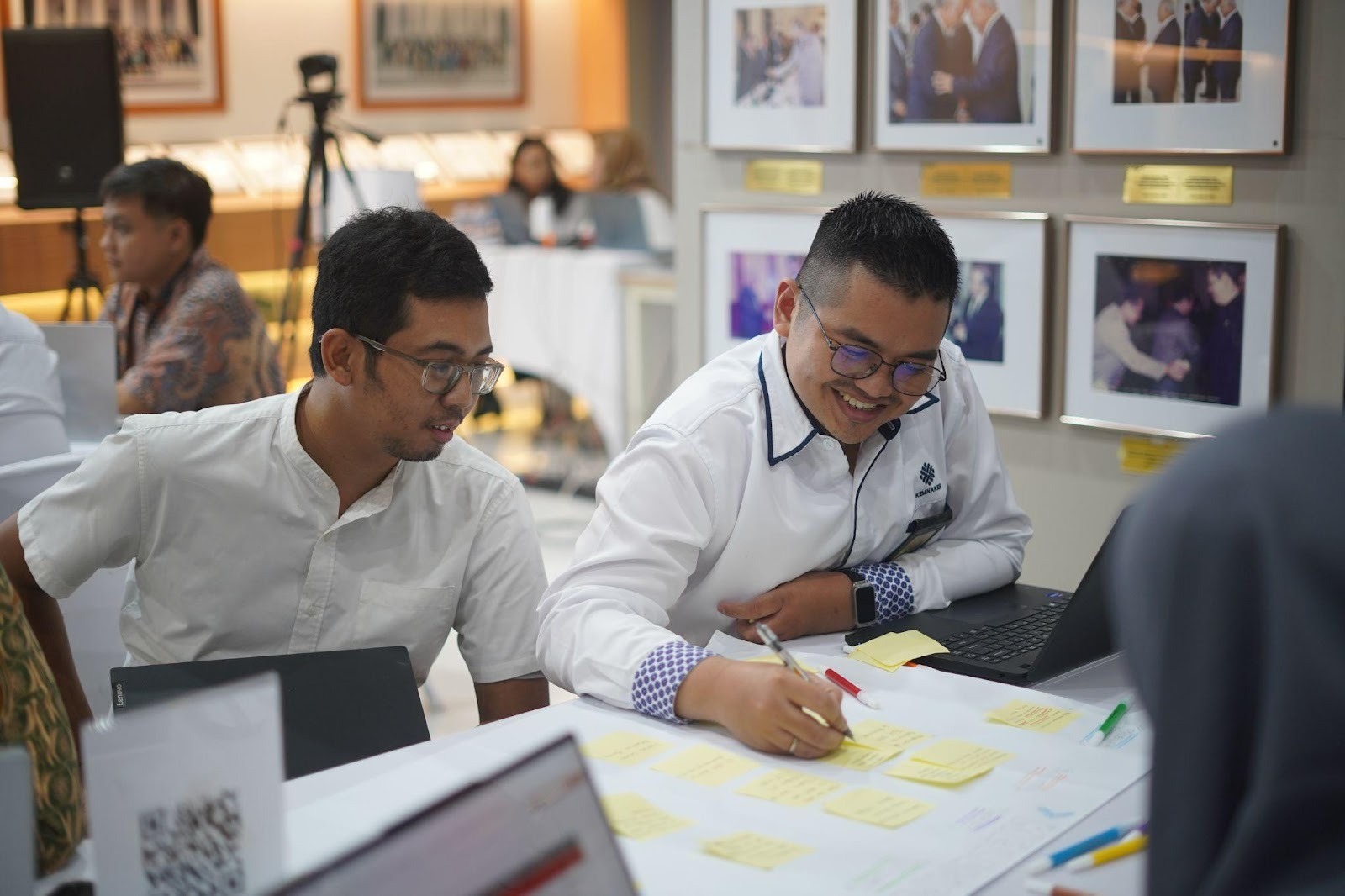
The workshop series was designed to move the National Roadmap from a high-level strategy into a practical, operational plan through a two-phased approach. The first phase, conducted in October 2025, established a technical foundation. Representatives from the Ministry of Energy and Mineral Resources (MEMR), Bappenas, and various academic institutions gathered to master workforce projection tools. Participants developed evidence-based scenarios for labor demand and analyzed specific workforce needs across different technologies and regions to inform long-term national planning.

Collective Ownership for a Sustainable Future
A key takeaway from these sessions was the necessity of cross-sector coordination. By translating roadmap priorities into concrete implementation actions, participants from government, academia, and industry demonstrated that the energy transition is a shared responsibility. The SWIFT initiative’s focus on human skills development ensures that as Indonesia’s energy infrastructure evolves, its people are prepared for the change. While the roadmap provides the blueprint, the collaborative problem-solving demonstrated in these workshops provides the necessary engine for progress.
Looking ahead, the SWIFT programme will continue to support PPSDM KEBTKE and national stakeholders through targeted technical assistance. Future efforts will focus on strengthening institutional coordination, advancing the alignment of training and certification systems, and deepening collaboration across government and industry to ensure Indonesia remains prepared for a sustainable and inclusive energy future.