Connecting Peers at the Twinning Arrangements for Decarbonization’s Regional Matchmaking Forum
By: Asia Clean Energy Partners and the Southeast Asia Corporate Decarbonization Exchange (CDx)

Indonesia, Viet Nam, and the Philippines are central to the region’s decarbonization trajectory. Together, they represent a significant share of Southeast Asia’s industrial growth, energy demand, and investment opportunity. Yet actors operating within these markets continue to encounter familiar barriers, from limited project readiness and data gaps to regulatory uncertainty, financing constraints and coordination challenges across institutions.
Against this backdrop, the Twinning Arrangements for Decarbonization in Southeast Asia initiative was designed by the United Nations Office of Project Services through the Southeast Asia Energy Transition Partnership (UNOPS ETP) in 2025 to move toward structured, peer-driven progress.
At its core, the initiative is built around the concept of twinning: peer groupings of actors aligned by sector, challenge, or operating context, who work together to share practical experience, refine solutions, and advance coordinated action. Rather than treating decarbonization as a series of isolated projects, twinning creates clusters of partners facing similar constraints, allowing them to test ideas, compare approaches, build practical solutions and move toward implementation more efficiently.
A Regional Platform Focused on Practical Action and Peer Exchange


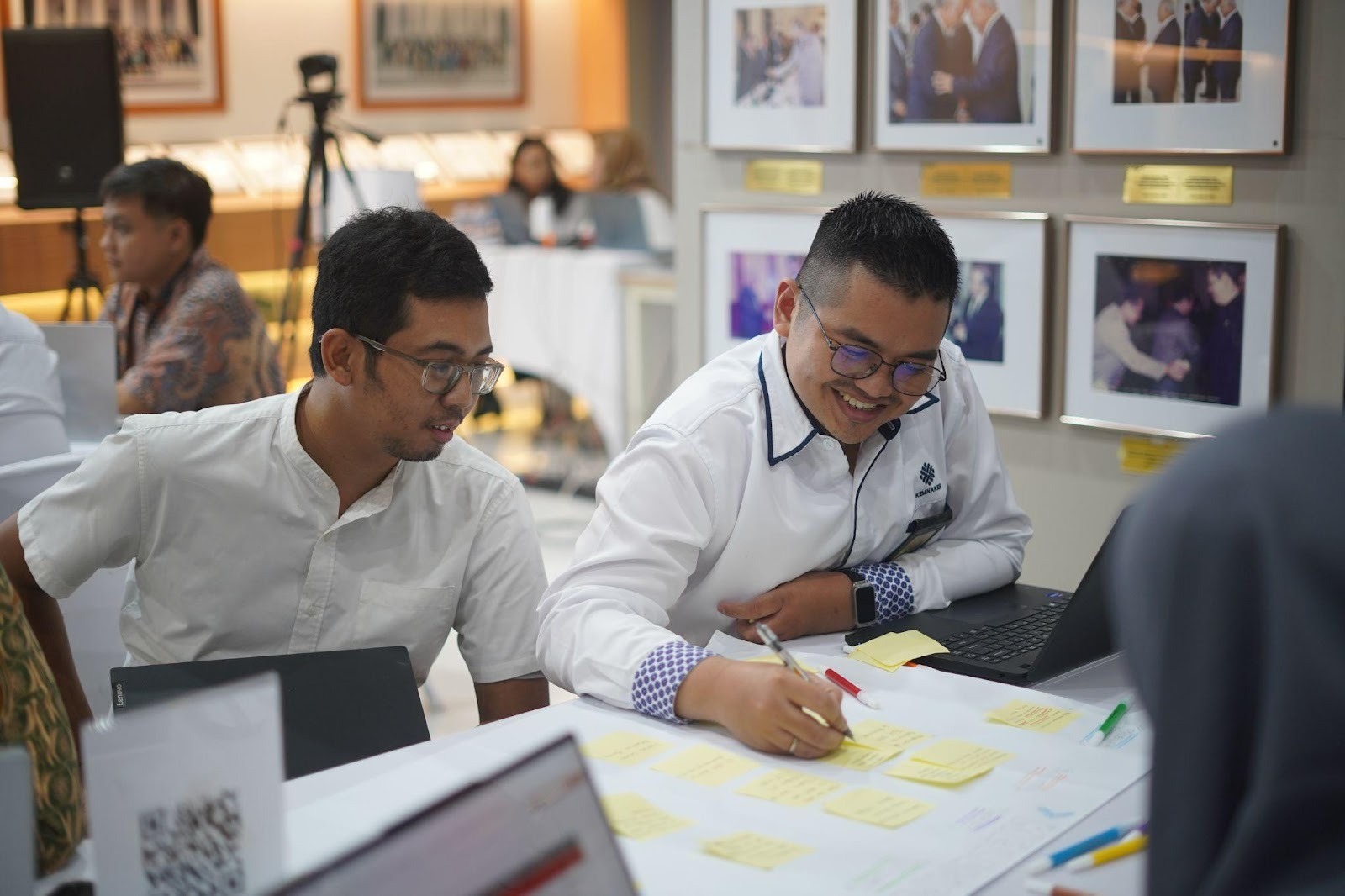
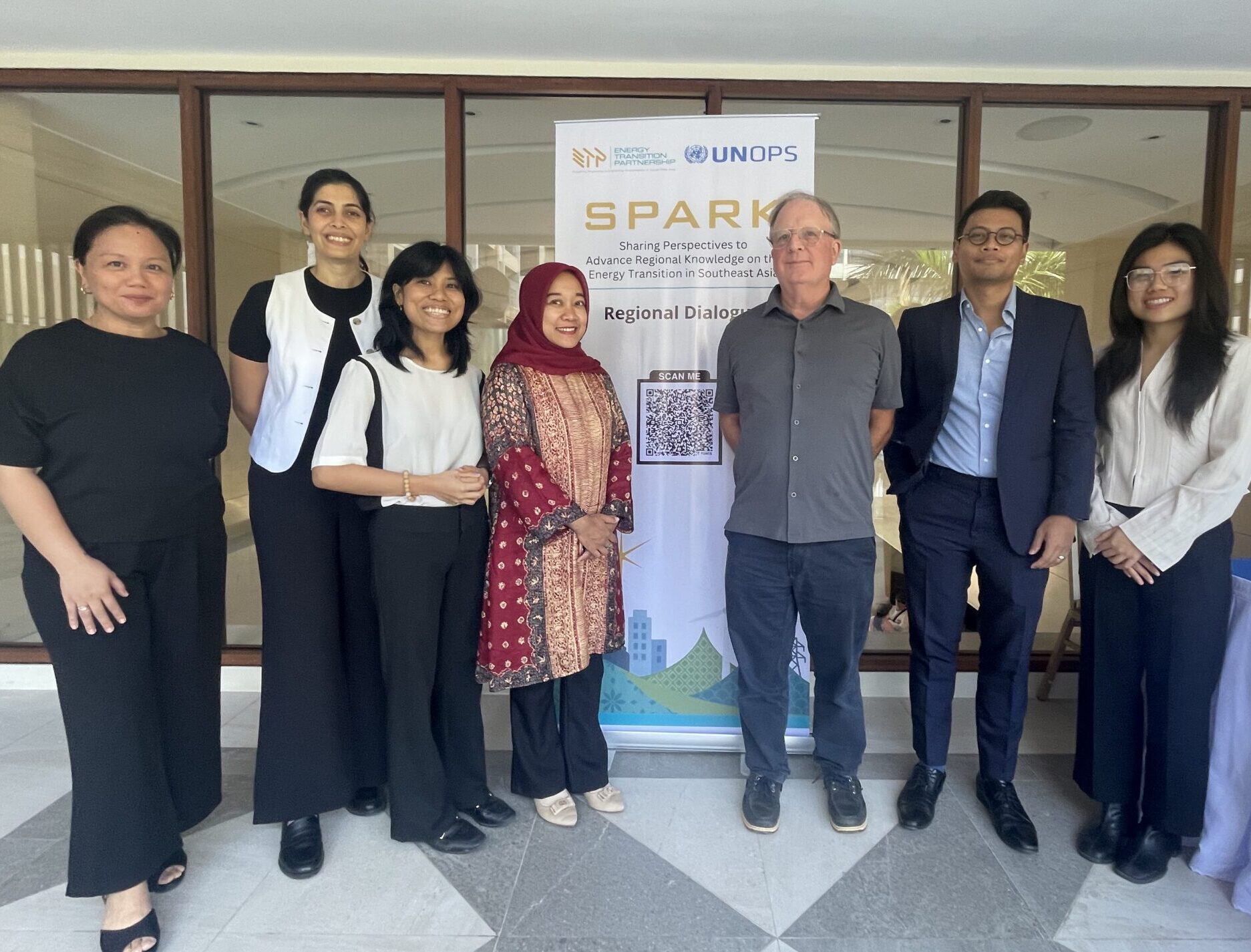
The Twinning Arrangements initiative recently convened participants from Indonesia, Viet Nam, and the Philippines for a Regional Matchmaking Forum in Jakarta on 9-10 February 2026. Unlike traditional conferences, the Forum was structured as a working and matchmaking space. Organized by UNOPS ETP and facilitated by Asia Clean Energy Partners and the Southeast Asia Corporate Decarbonization Exchange (CDx), the 2-day event successfully gathered decarbonization stakeholders including representatives from subnational governments, industrial parks, corporates, solution providers, financiers, and enabling institutions.
There was a strong emphasis on peer exchange and collective problem-solving throughout the Forum. Interactive “Fishbowl” discussions kicked off these open, participant-driven dialogues, from which several key takeaways emerged:
- System optimization is an important step:
Major efficiency gains often come from fixing leaks, improving controls, and optimizing existing systems, though participants cautioned against relying only on short-term “low-hanging fruit” which may limit the scope for deeper impact through longer-term measures with more potential. - Commercial realities drive procurement:
Decisions are shaped by cost, reliability, and sustainability, alongside practical issues such as PPA terms, tariffs, regulatory environments, and real-estate constraints for rooftop solar. The relevance of new technologies such as boiler optimisation techniques and in-pipe hydro installations was also explored. - Incremental upgrades can unlock deeper transitions:
Opportunities in industrial heat and cooling, such as biogas use, co-firing, chiller optimization and industrial refrigeration demonstrate how modest improvements can generate savings for further investments. A focus on thermal rather than electrical energy needs for industry was also suggested as the focus of technology selection. - Nature-based and urban solutions are context-driven:
Examples included mangrove restoration, biochar, landfill-to-green-space projects, and green building policies, often balanced against land-use and commercial pressures. - Bankability remains a central concern: Across sessions, participants focused on the data, diagnostics, contracts, and risk allocation needed to move projects toward financing within the next three to six months.

Building on this foundation, discussions then shifted from identifying solutions to understanding what it takes to move projects from concept to delivery. Three implementation-focused Fishbowls surfaced a second set of shared lessons:
- Data and technical readiness enable action. Baseline data is critical for project design, financing, and tracking impact. Participants highlighted fragmented data across teams, unclear ownership, and the need for stronger systems and accountability to support credible decision-making.
- Commercial structuring determines bankability. Models such as PPAs, ESCOs, leasing, and on-balance-sheet investments were explored. Moving from utility-backed contracts to private offtakers introduces new risks, with asset ownership, creditworthiness, aggregation, and contract design directly affecting access to finance.
- Partnerships and permitting shape delivery timelines. Local governments, utilities, regulators, developers, and communities all play enabling roles. While reforms are underway, permitting remains a bottleneck, reinforcing the importance of streamlined processes, early utility engagement, and coordinated public-private collaboration.
“Sometimes we keep thinking about new technologies and forget about working on what we already have. Many factories run 24/7, even when machines aren’t being used. People don’t see this until they start collecting data or installing simple monitoring. Starting with process optimization helps companies see real cost savings, and that makes them more willing to try new technologies later.” – Quelyn Koh, Cedars Digital
“You cannot manage what you don’t measure. But having data gives you a starting point. Even if your data isn’t perfect, it’s something you can work with to start decarbonization, start talking to banks, and start engaging stakeholders and shareholders.” – Balaji MK, ACE Partners
“When we talk about conservation, the question is how to make projects financially viable. Carbon credits are one way. We quantify how much CO? a project absorbs, go through monitoring, reporting, and verification, and make sure there is no leakage. That’s how conservation projects can become sustainable over the long term.” – Albert Sutanto, Mt. Stonegate

The opportunity to have honest conversations helped participants see where their challenges overlapped, where partnerships made sense, and what kind of support was still missing. In this way, the Fishbowls laid the groundwork for twinning, connecting peers not by targets alone, but by shared, practical ways to implement decarbonization. Where sufficient alignment and readiness emerged, participants began shaping early ideas for Decarbonization Strategy Frameworks grounded in real contexts. A number of twins also emerged, with an enthusiasm to take the ideas further that were explored in the Matchmaking Forum.
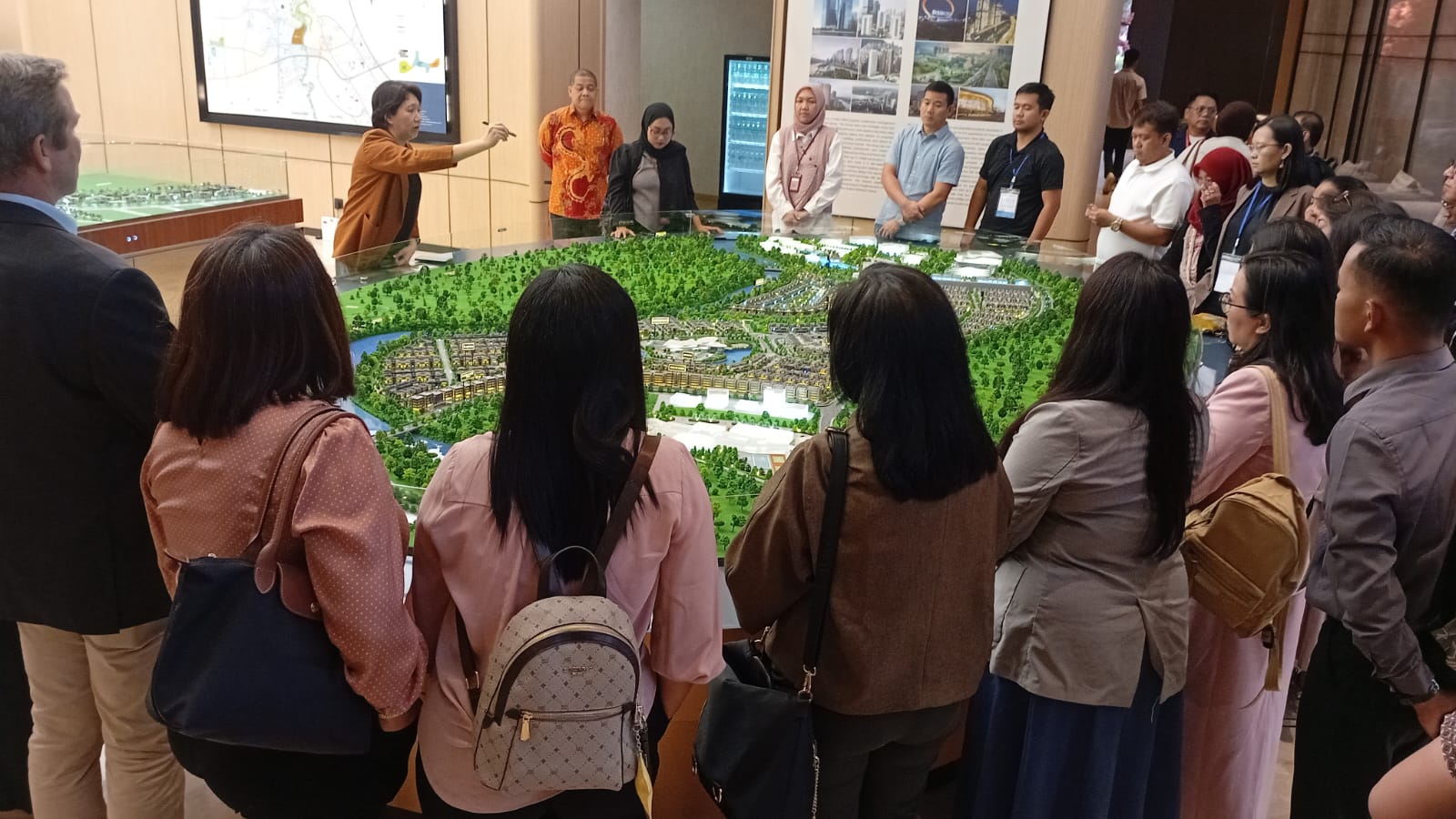
The Forum concluded with a decarbonization demonstration site visit at Sinar Mas Land Plaza BSD City, reinforcing the importance of aligning technical solutions with institutional, regulatory, and commercial realities. Observing implementation measures on site provided participants with a tangible reference point for discussions on feasibility, scalability, and enabling conditions.

From Matchmaking to Momentum
The Regional Matchmaking Forum marks the beginning of a structured follow-on phase for the Twinning Arrangements initiative. Over the coming months, selected clusters will continue refining priorities, engaging relevant solution providers and enablers, and clarifying pathways toward implementation and financing.
By anchoring collaboration in peer exchange, operational realities, and investment considerations, the Twinning initiative aims to support decarbonization efforts that are not only ambitious, but deliverable and impactful.
As Southeast Asia faces the challenges and opportunities of the energy transition, platforms that bridge the gap between dialogue and delivery will play an increasingly important role. The Twinning Arrangements initiative represents one such approach, grounded in regional collaboration, practical learning, and a shared commitment to make actual progress.