How do you transition an entire nation from coal to clean energy? In Indonesia, the answer lies in a powerful combination of policy innovation and strategic incentives.
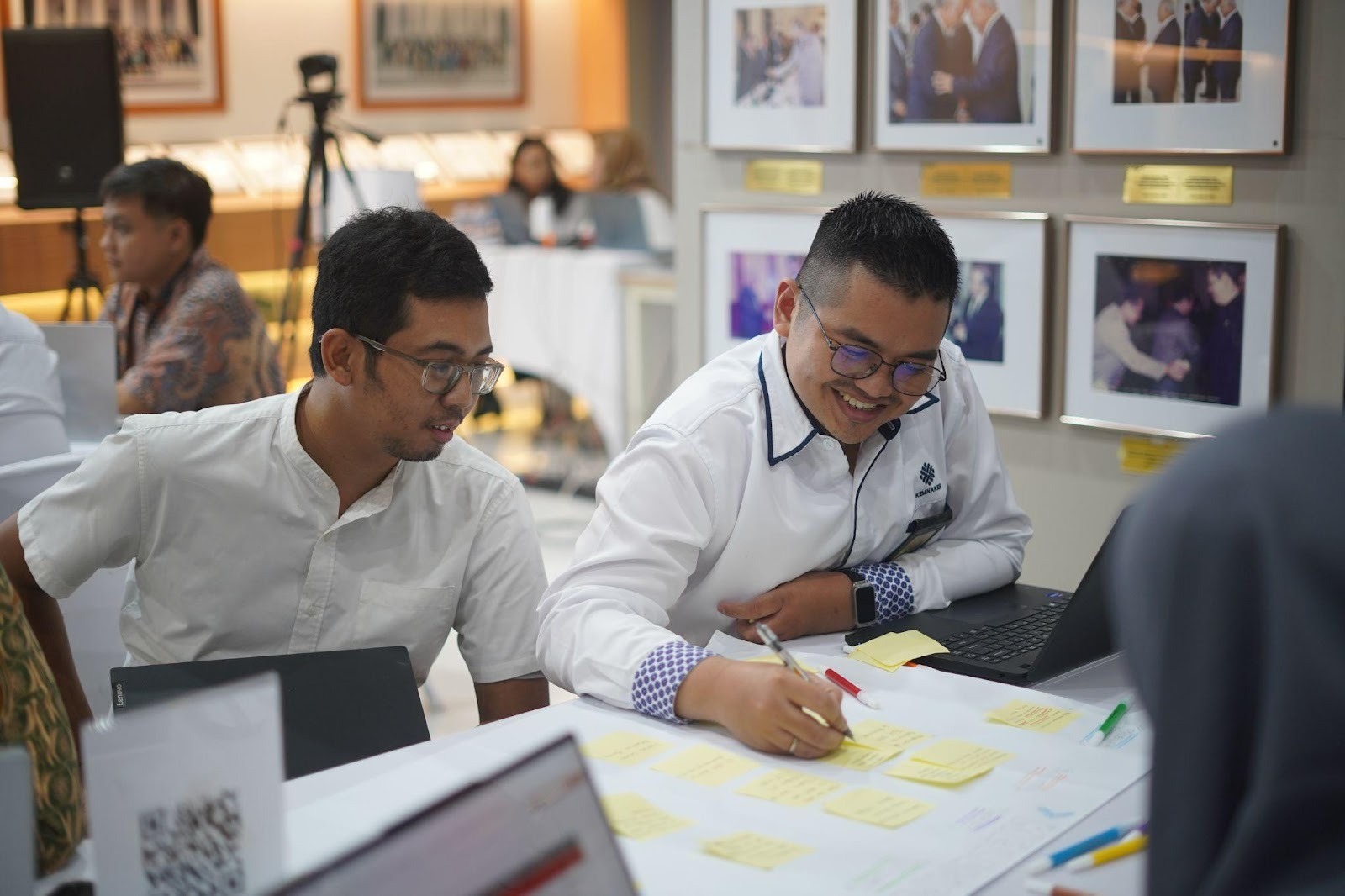
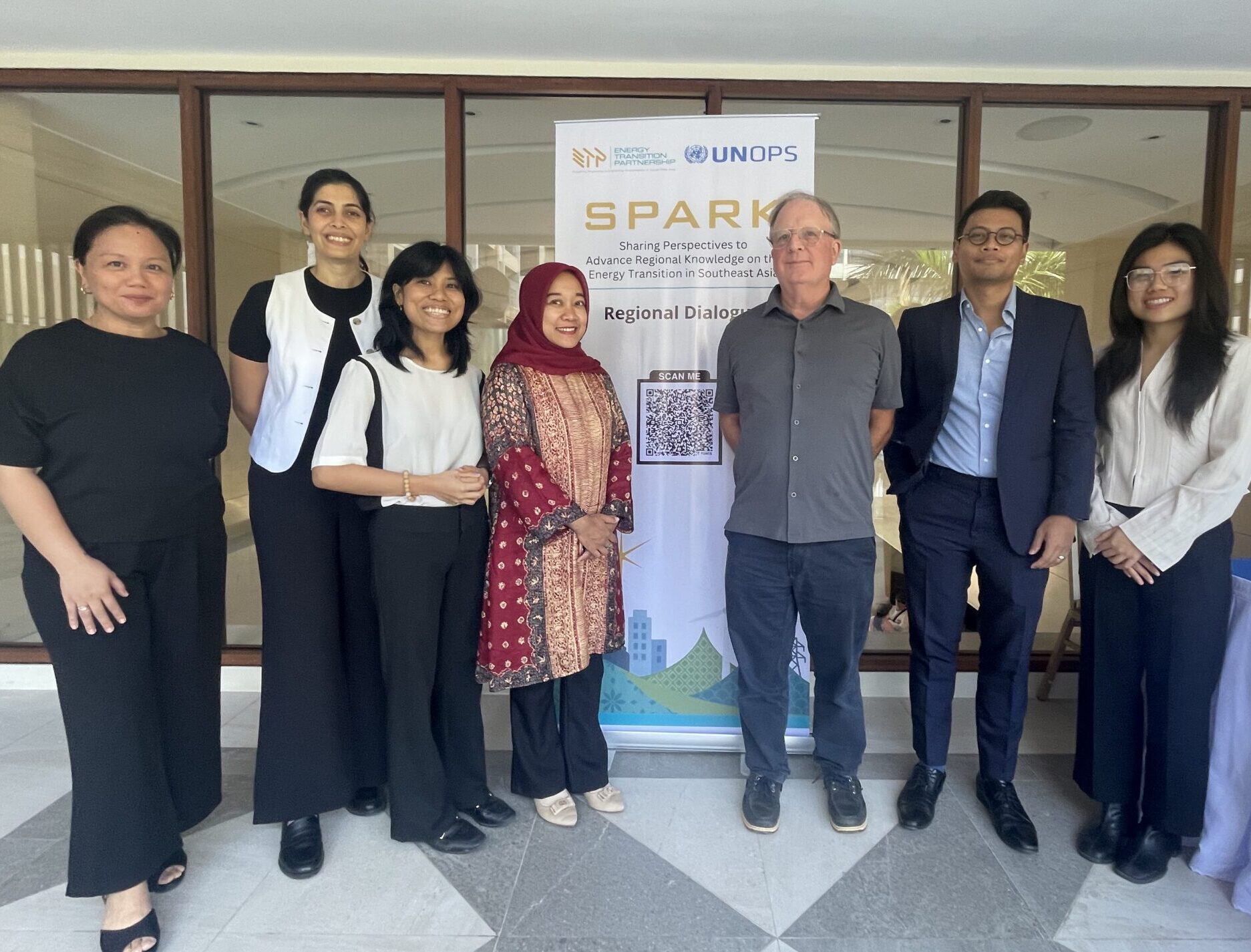
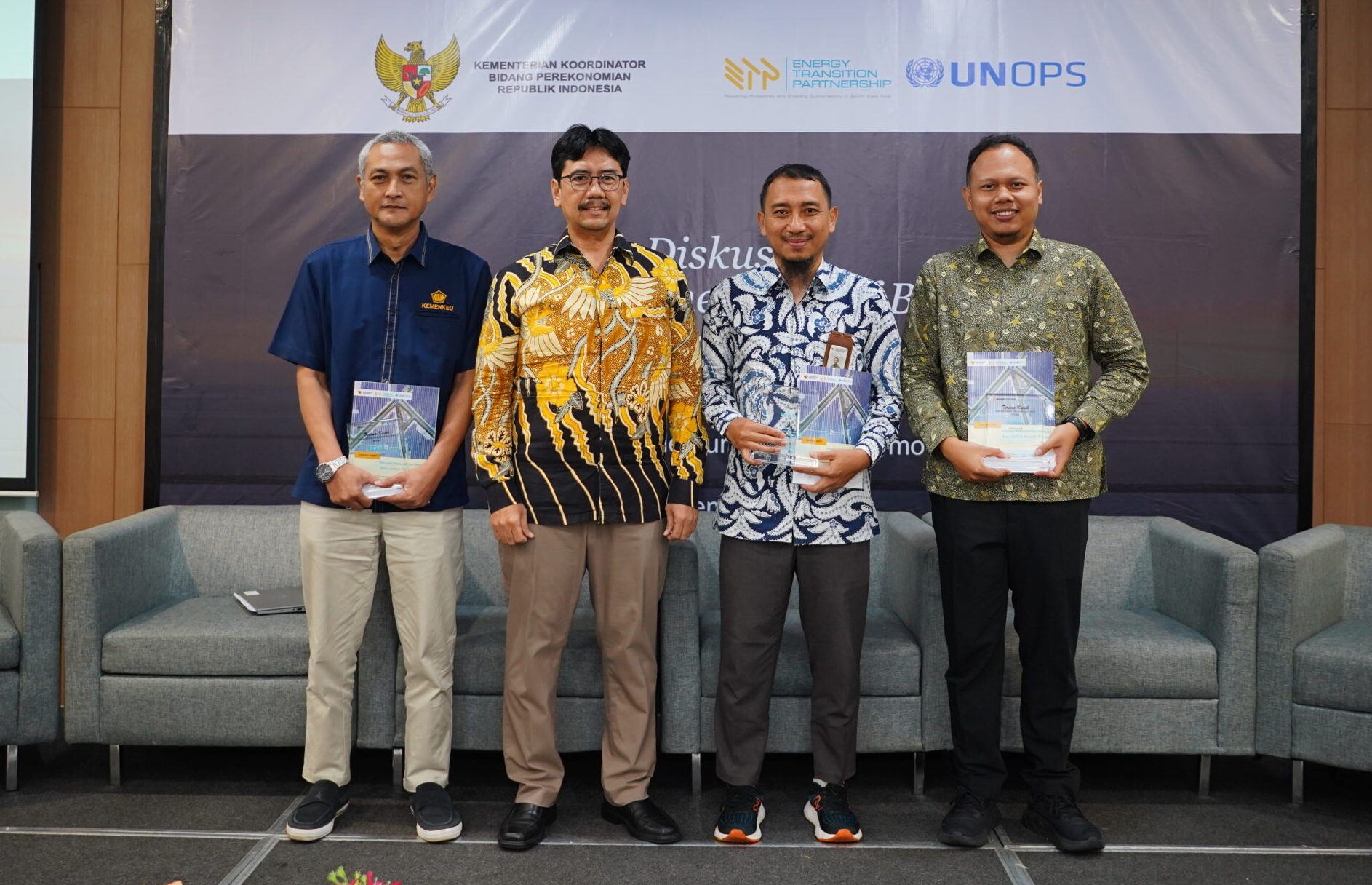
On December 17, 2025, the Coordinating Ministry for Economic Affairs and the Southeast Asia Energy Transition Partnership (ETP) gathered in Jakarta to unveil a new roadmap: “Innovating New Incentive Mechanisms for Energy Transition Projects.” The event marked the successful conclusion of a project designed to move beyond theoretical frameworks and provide the technical architecture necessary to drive the transition.

Beyond the Status Quo
The energy transition is a massive undertaking, particularly in a region as economically dynamic as Indonesia. As Mr. Sunandar, Assistant Deputy at the Coordinating Ministry, noted, strengthening the policy framework isn’t just about climate goals—it’s about economic competitiveness and energy security.
The project focused on three critical levers:
- Scaling up Renewable Energy by making it easier and more profitable to build solar and wind.
- Early Coal Retirement. finding the financial mechanisms to transition away from coal-fired power safely.
- Moving the industry toward a sustainable exit strategy for coal phase-down
5 Frameworks for Implementation
The final report highlights practical steps that move beyond theory to help modernize Indonesia’s energy grid:
- Adjusting renewable energy tariffs to reflect current technology costs, ensuring projects are both bankable and competitive.
- Streamlining tender processes and providing clear “National Strategic Project” status to green initiatives to speed up approvals.
- Prioritizing power lines near renewable energy clusters to minimize energy loss and lower risks for investors.
- Evaluating a shift toward market-based coal pricing to make renewables the more attractive choice, while ensuring low-income households remain protected from price shifts.
- Grid Stability: Introducing a “Right-to-Match” privilege for renewable developers to replace retired coal plants, ensuring the lights stay on while the air gets cleaner.

A High-Stakes Partnership
Reflecting on the journey, ETP Deputy Director John Cotton admitted that the project’s complexity was as exciting as it was daunting. “This is precisely the type of project that ETP seeks to support,” he shared, “one with the potential for deep, lasting impact on the energy sector.”
By tackling the “unseen” barriers such as biomass pricing flexibility and transmission infrastructure, this partnership is setting the stage for a just and sustainable transition that works for the economy and the environment alike.