By: Asia Clean Energy Partners
The Energy Transition space across the world is moving rapidly – and with good reason. With this year’s COP30 event in Belem, Brazil just concluded, it is a key moment, and a possible inflection point, in the history of global climate action for policymakers. Development partners, researchers and innovators are coming together to reflect, and to shape solutions that build new pathways to just energy transitions while strengthening the familiar ones.
The Southeast Asia region (ASEAN) recorded a GDP of roughly US $4.13 trillion in 2024. Driven by sustained growth across major members such as Indonesia, Vietnam, the Philippines, and Thailand, it is projected that the collective countries of ASEAN will become the world’s fourth-largest economy by the early 2030s.
Countries across the region are taking strong strides to transform their energy economies. Whether it is in the areas of policy, technology and innovation or public-private collaboration, policymakers and the private sector are continually seeking and sharing insights to improve the resilience, affordability, and security of their energy systems.

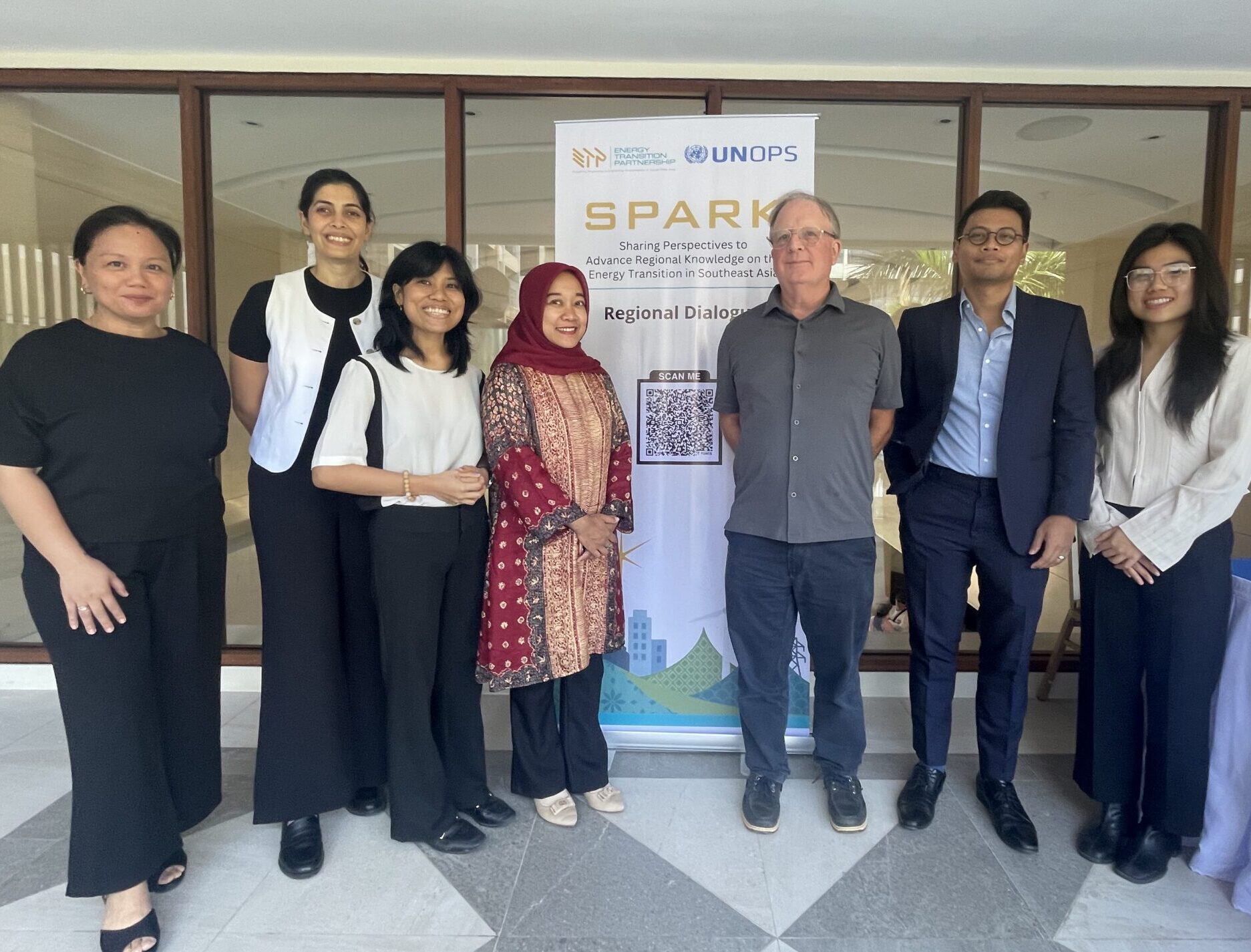
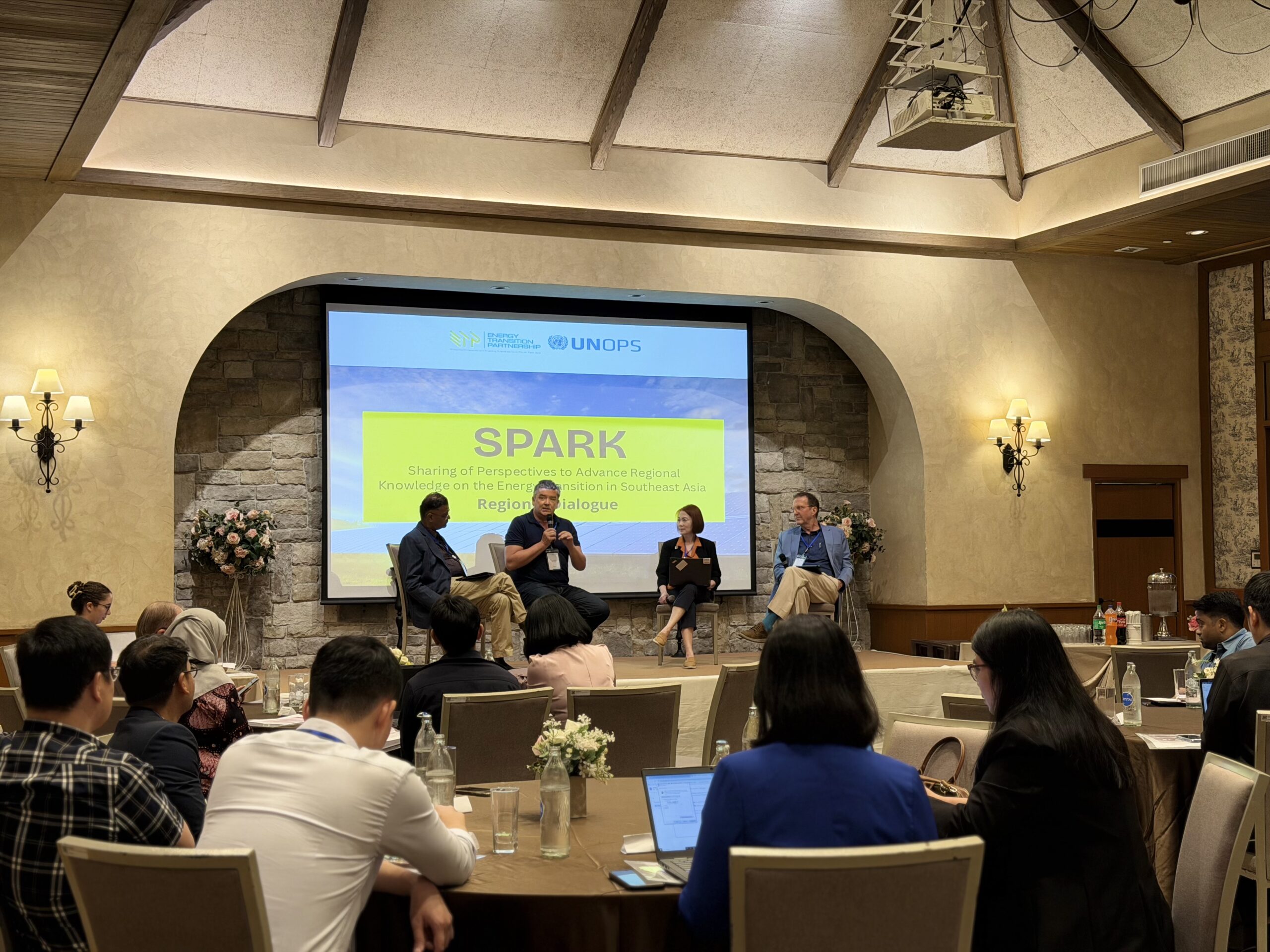
True to this spirit of collective action, the inaugural SPARK Dialogue, held in Khao Yai, Thailand on 20-22 October 2025, marked an important step forward in advancing carbon pricing and market development across Southeast Asia, while also building new momentum for regional cooperation. The SPARK series (Sharing of Perspectives to Advance Regional Knowledge on the Energy Transition in Southeast Asia) is an initiative of the Southeast Asia Energy Transition Partnership (ETP). It aims to establish a new regional platform for sustained collaboration, policy innovation, and peer-to-peer learning among policymakers driving the region’s energy transition. The first SPARK Dialogue brought together 15 government officials from Vietnam, Indonesia, and the Philippines, alongside international experts with deep experience in carbon pricing and market mechanisms. The Dialogue provided a unique opportunity to exchange lessons learned and explore emerging opportunities to strengthen collaboration on carbon markets.
A Comfortable Space for Honest Conversations
Trust lies behind every major policy breakthrough. That’s what SPARK creates: a setting where Southeast Asian policymakers can exchange insights freely and frankly.
Structured under the Chatham House Rule, SPARK Dialogues allow participants to share ideas openly while maintaining anonymity for the speakers. This fosters the kind of trust needed to explore sensitive energy and climate issues in depth.
In the recently concluded inaugural SPARK Dialogue, senior government officials from the Philippines, Indonesia, and Vietnam were joined by carbon markets and pricing experts Ingo Puhl (South Pole), Dr. Wei-nee Chen (Bursa Malaysia), and M. K. Balaji (Asia Clean Energy Partners). The experts provided important sectoral and technical perspectives, based on their deep experience working in the regional energy ecosystem and in particular in designing and working in carbon markets.SPARK’s intentionally private format sparked candid discussions on what’s working, what isn’t, and what’s next for these three countries and the broader Southeast Asia region. The discussions resulted in the following concrete, country-specific roadmaps that can accelerate national decarbonization while unlocking new investment opportunities.

SPARK’s Broader Purpose: Turning Dialogue into Regional Momentum
“The SPARK initiative was established to strengthen policymaker capacity and regional cooperation on energy transition finance and investment,” said Philip Rose, Director of UNOPS ETP, in his opening remarks. “By providing a structured, peer-to-peer platform, SPARK can help governments and institutions explore policy design options, align financial instruments with decarbonization goals, and coordinate implementation strategies across borders,” he added.
True to its name, SPARK is quite literally designed to turn the switch on action-oriented strategy, turning dialogue into policy solutions with clear implementation pathways. As a platform built on trust and peer exchange, SPARK brings together high-level government officials and technical experts to examine effective approaches and policy options that can contribute to actual progress on the region’s energy transition.
SPARK aligns with and strengthens existing regional efforts such as the ASEAN Plan of Action for Energy Cooperation (APAEC), Just Energy Transition Partnerships (JETPs), and the development of sustainable finance taxonomies and cross-border power trade frameworks.

From Dialogue to Action: Lighting the Switch
Every proverbial “lightbulb moment” needs to be followed up with efficient and effective execution. The conversations at SPARK will be carried forward into real policy and investment action. To enable this, ETP plans to publish a policy brief capturing key outcomes and recommendations to inform broader decision-making and regional learning after each SPARK dialogue.
With this in mind, the second SPARK Dialogue, scheduled for 19-20 January 2026 in the Philippines, will seek to build on the foundation and momentum provided by the first event. Coinciding with the ASEAN Summit, the dialogue will highlight SPARK’s growing role as a safe and trusted environment for sharing insights and policy perspectives.
As SPARK continues to evolve, it will further contribute to raising awareness, strengthening technical capacity, and de-risking clean energy investments across Southeast Asia.